Compare

Shellbark Hickory vs. Water Hickory: which is safe for cats and dogs?

Shellbark Hickory and Water Hickory are frequently compared because both trees belong to the Carya genus, leading many pet owners to wonder if their shared lineage implies similar risks for household animals. Fortunately, both Shellbark Hickory and Water Hickory are considered non-toxic to cats and dogs. While these plants are generally safe to keep in your home or garden, it is important to remember that ingesting large amounts of any fibrous plant material can occasionally lead to minor digestive upset in pets. You can feel comfortable having either of these trees around your animals, provided you monitor their behavior to prevent excessive snacking on the leaves or bark.

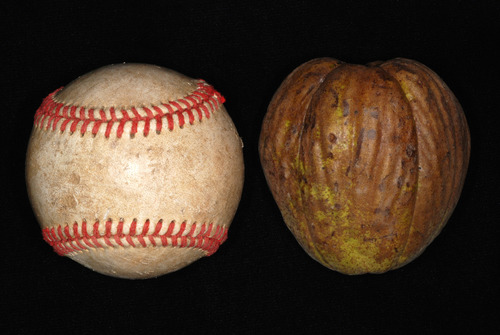
Shellbark Hickory

Carya laciniosa

The Big Shagbark Hickory is a large deciduous tree known for its distinctive shaggy bark and edible nuts. It is considered non-toxic to pets, though ingestion of large amounts of fibrous plant material may cause minor digestive discomfort.

cat

Generally safe

Consulted references do not classify the plant as toxic for that pet type, while still allowing for mild GI upset if large amounts are chewed.

Watch for

None typically expected; however, consumption of large quantities of fibrous plant matter may lead to mild vomiting or diarrhea.
dog

Generally safe

Consulted references do not classify the plant as toxic for that pet type, while still allowing for mild GI upset if large amounts are chewed.

Watch for

None typically expected; however, consumption of large quantities of fibrous plant matter may lead to mild vomiting or diarrhea.

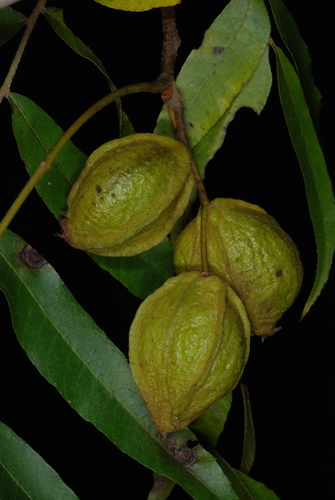
Water Hickory

Carya aquatica

Carya aquatica is a deciduous tree native to wetlands, known for its bitter, inedible nuts and compound leaves. It is considered non-toxic to household pets, though ingestion of large amounts of plant material may cause minor digestive discomfort.

cat

Generally safe

Consulted references do not classify the plant as toxic for that pet type, while still allowing for mild GI upset if large amounts are chewed.

Watch for

None expected, though excessive ingestion of fibrous plant matter may lead to mild vomiting or diarrhea.

dog

Generally safe

Consulted references do not classify the plant as toxic for that pet type, while still allowing for mild GI upset if large amounts are chewed.

Watch for

None expected, though excessive ingestion of fibrous plant matter may lead to mild vomiting or diarrhea.