Compare

Sago Palm vs. Ponytail Palm: which is safe for cats and dogs?

Sago Palm and Ponytail Palm are frequently confused because both belong to the same palm ambiguity group, leading many shoppers to mistake one for the other. It is critical to distinguish between them, as their safety profiles for pets are vastly different. While the Ponytail Palm is generally considered non-toxic and safe for household pets, the Sago Palm, scientifically known as Cycas revoluta, is extremely dangerous. Every part of the Sago Palm is highly toxic to both cats and dogs, and ingestion of even a small amount can result in severe, life-threatening complications. Understanding these differences is essential for keeping your home environment safe for your animals.

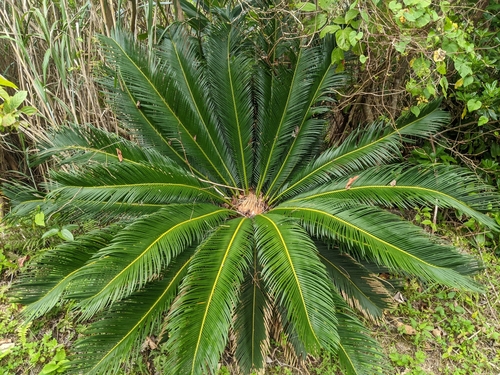
Sago Palm

Cycas revoluta

The Sago Palm is a popular ornamental cycad that is highly toxic to pets if ingested. All parts of the plant, especially the seeds, contain cycasin, which can cause severe health complications.

cat

Potentially toxic

Consulted references classify the plant as toxic or irritating for that pet type.

Watch for

Vomiting, diarrhea, lethargy, jaundice, and potential liver failure.

dog

Potentially toxic

Consulted references classify the plant as toxic or irritating for that pet type.

Watch for

Vomiting, bloody stools, jaundice, increased thirst, bruising, and liver damage.
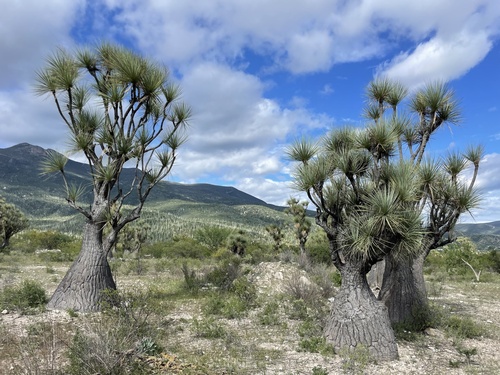
Ponytail Palm

Beaucarnea recurvata

The Bottle Palm is a popular, slow-growing succulent known for its swollen, water-storing trunk and long, arching, grass-like leaves. Despite its common name, it is a member of the Asparagaceae family and is not a true palm.

cat

Uncertain

Identity or evidence quality is not strong enough for a firm answer.

Watch for

No specific toxic syndrome documented, though ingestion of fibrous foliage may cause mechanical irritation.

dog

Generally safe

Consulted references do not classify the plant as toxic for that pet type, while still allowing for mild GI upset if large amounts are chewed.

Watch for

Generally asymptomatic; however, ingestion of large amounts of tough, fibrous leaves may cause mild vomiting or indigestion.