Compare

Pacific Yew vs. Yew: which is safe for cats and dogs?

Pacific Yew and Yew are frequently compared because both belong to the Taxus genus, sharing similar physical characteristics and chemical profiles. It is vital for pet owners to understand that both plants are highly toxic to cats and dogs. Because they contain potent taxine alkaloids, every part of these evergreens, including the needles and seeds, poses a severe risk of systemic distress and potential fatality if ingested. There is no safe variety between these two, and any suspected consumption should be treated as a critical medical emergency. Please consult your veterinarian immediately if your pet has come into contact with either of these plants.

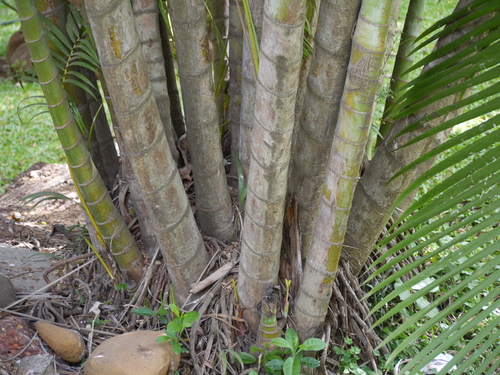
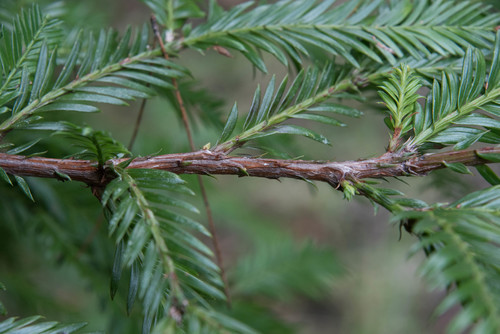
Pacific Yew

Taxus brevifolia

The Pacific Yew is an evergreen conifer containing taxine alkaloids that are highly poisonous to most animals. Ingestion of any part of the plant, especially the needles and seeds, can lead to severe systemic distress.

cat

Potentially toxic

Consulted references classify the plant as toxic or irritating for that pet type.

Watch for

Tremors, difficulty breathing, drooling, vomiting, and potential cardiac collapse.

dog

Potentially toxic

Consulted references classify the plant as toxic or irritating for that pet type.

Watch for

Muscle weakness, dilated pupils, collapse, irregular heartbeat, and gastrointestinal distress.
Yew

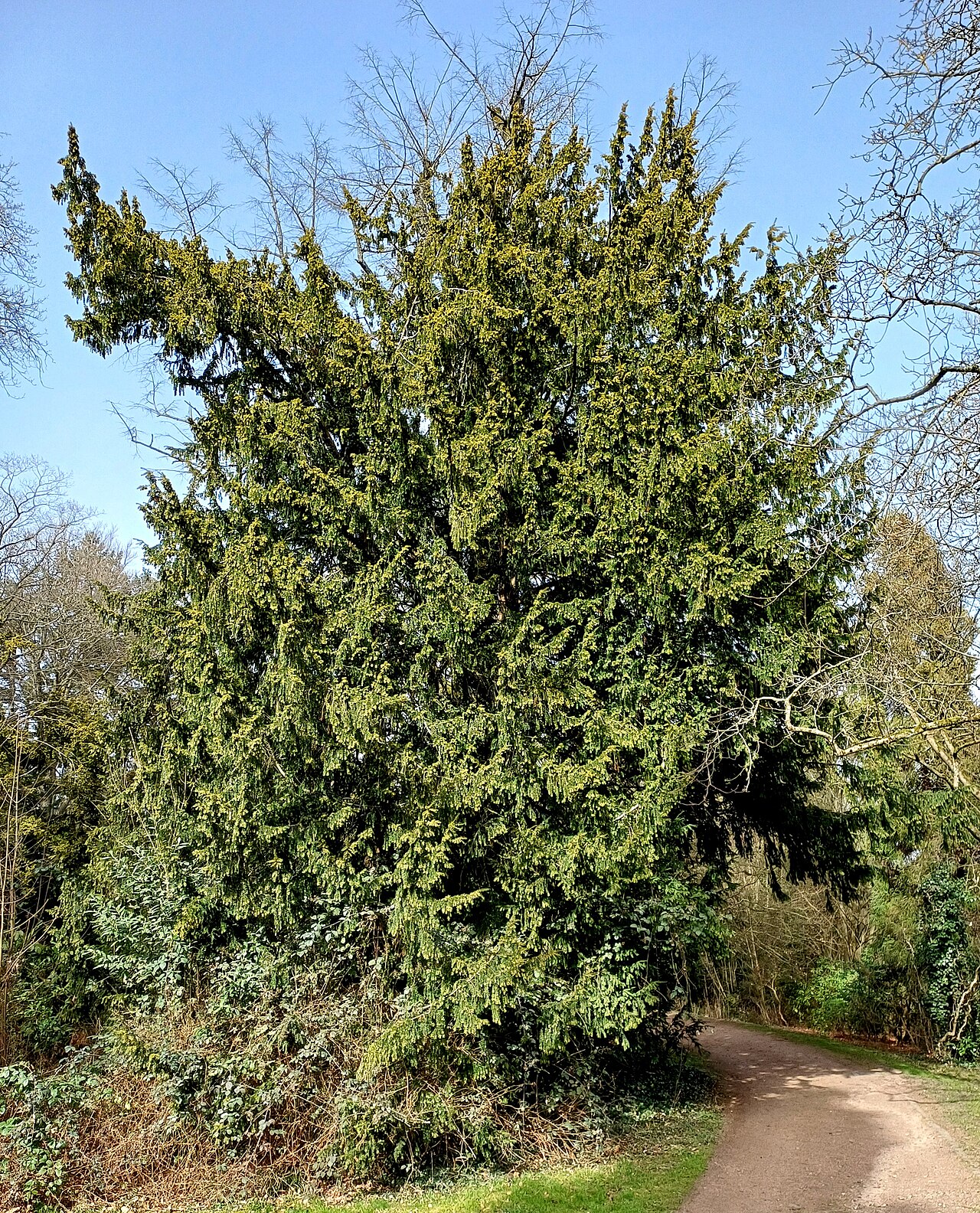
Taxus spp.

Yew is a genus of evergreen conifers known for their high toxicity due to the presence of taxine alkaloids. All parts of the plant, including needles and seeds, are considered dangerous if ingested.

cat

Potentially toxic

Consulted references classify the plant as toxic or irritating for that pet type.

Watch for

Tremors, difficulty breathing, vomiting, diarrhea, and potential cardiac failure.

dog

Potentially toxic

Consulted references classify the plant as toxic or irritating for that pet type.

Watch for

Drooling, vomiting, weakness, muscle tremors, collapse, and sudden cardiac arrest.

Safer alternatives

Some links earn us a small commission. They never affect our safety classifications.