Compare

Mountain Laurel vs. Sheep Laurel: which is safe for cats and dogs?

Mountain Laurel and Sheep Laurel are frequently compared because both belong to the Kalmia genus and share similar evergreen characteristics and showy, cup-shaped flowers. It is vital for pet owners to understand that both plants are highly toxic to cats and dogs. They contain grayanotoxins, which can cause severe systemic poisoning and potentially fatal reactions if ingested. Because both Mountain Laurel and Sheep Laurel pose significant risks to your pets, neither plant is considered safe to keep in a home or garden accessible to animals. If you suspect your cat or dog has consumed any part of either shrub, you must seek emergency veterinary care immediately.

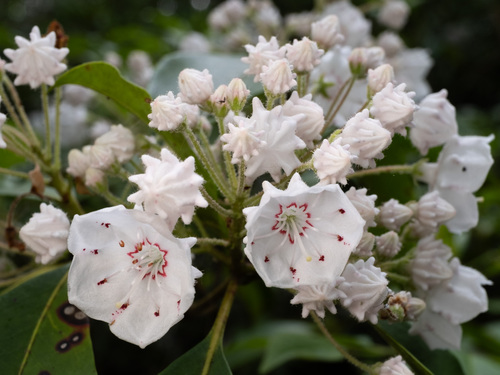
Mountain Laurel

Kalmia latifolia

Mountain Laurel is a broadleaf evergreen shrub known for its clusters of showy, cup-shaped flowers. It contains grayanotoxins that are highly dangerous to pets if ingested.

cat

Potentially toxic

Consulted references classify the plant as toxic or irritating for that pet type.

Watch for

Drooling, vomiting, diarrhea, loss of appetite, abdominal pain, tremors, and potential cardiac arrhythmias.

dog

Potentially toxic

Consulted references classify the plant as toxic or irritating for that pet type.

Watch for

Excessive salivation, vomiting, diarrhea, weakness, difficulty breathing, paralysis, and potential heart failure.
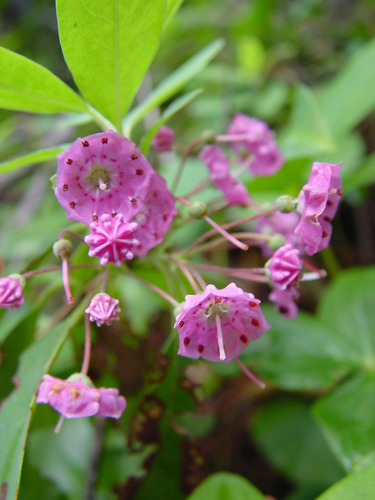
Sheep Laurel

Kalmia angustifolia

Lambkill is a flowering evergreen shrub in the heath family known for containing grayanotoxins. Ingestion of any part of the plant can cause significant health issues in pets.

cat

Potentially toxic

Consulted references classify the plant as toxic or irritating for that pet type.

Watch for

Drooling, vomiting, diarrhea, loss of appetite, abdominal pain, tremors, and potential cardiac arrhythmias.

dog

Potentially toxic

Consulted references classify the plant as toxic or irritating for that pet type.

Watch for

Excessive salivation, vomiting, diarrhea, weakness, difficulty breathing, and potential heart rate irregularities.

Safer alternatives

Some links earn us a small commission. They never affect our safety classifications.