Compare

Lily vs. Peace Lily: which is safe for cats and dogs?

Lily and Peace Lily are frequently confused because both share the common name lily, leading many shoppers to mistake one for the other despite their distinct botanical differences. It is vital to understand that both plants are potentially toxic to your pets, though the risks they pose differ significantly. True lilies are extremely dangerous to cats, capable of causing acute kidney failure, while Peace lilies contain insoluble calcium oxalate crystals that primarily cause painful oral and gastrointestinal irritation in both cats and dogs. Because the severity and nature of the health threats vary between these two plants, it is important to identify which variety you have in your home.

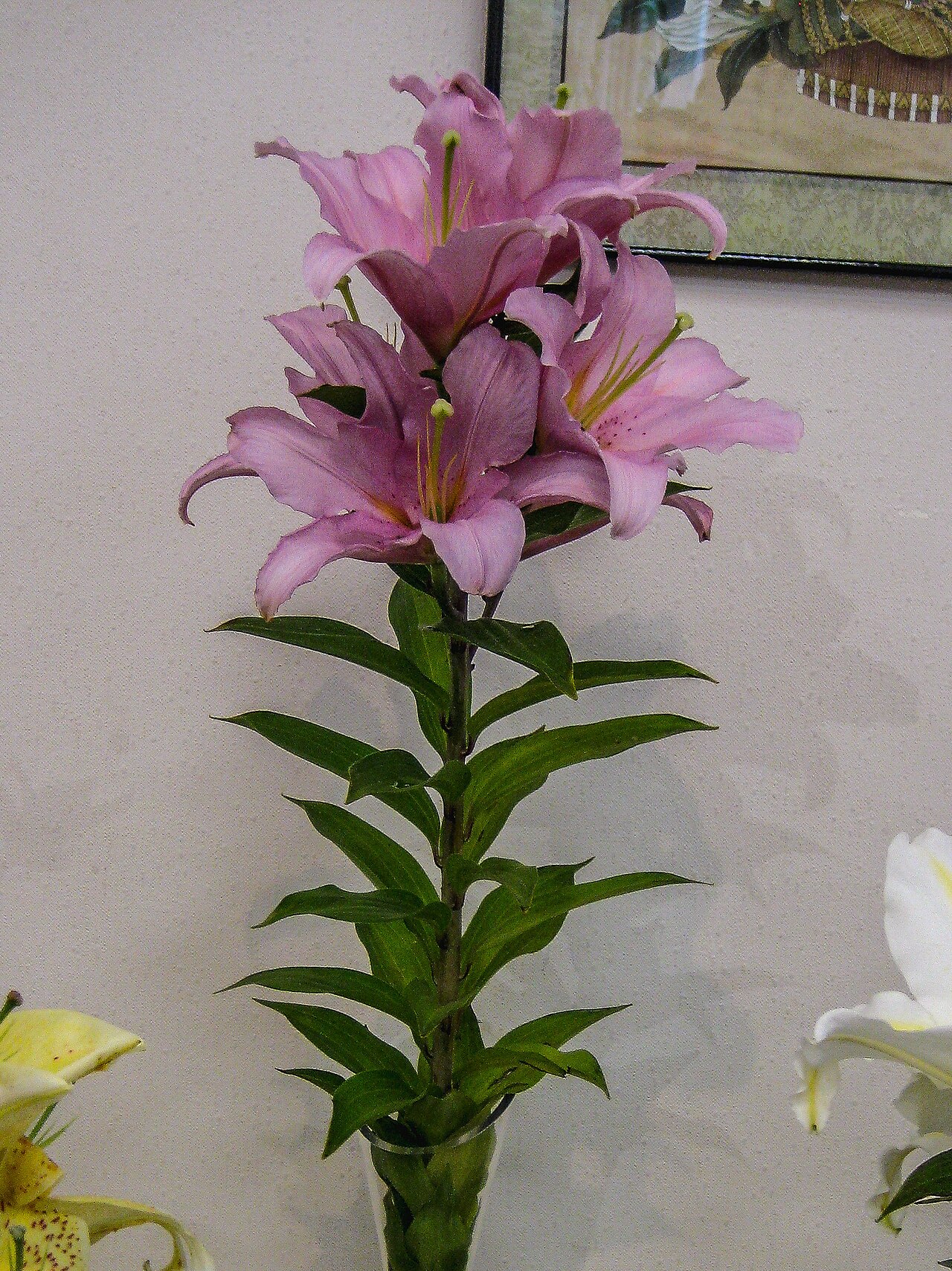
Lily

Lilium species

True lilies are highly toxic to cats, causing severe kidney damage even with minimal exposure. While data for dogs is less definitive, they should still be kept away from all parts of the plant.

cat

Potentially toxic

Consulted references classify the plant as toxic or irritating for that pet type.

Watch for

Vomiting, lethargy, loss of appetite, increased thirst, and frequent urination.

dog

Uncertain

Identity or evidence quality is not strong enough for a firm answer.

Watch for

Mild gastrointestinal upset, including vomiting or diarrhea.
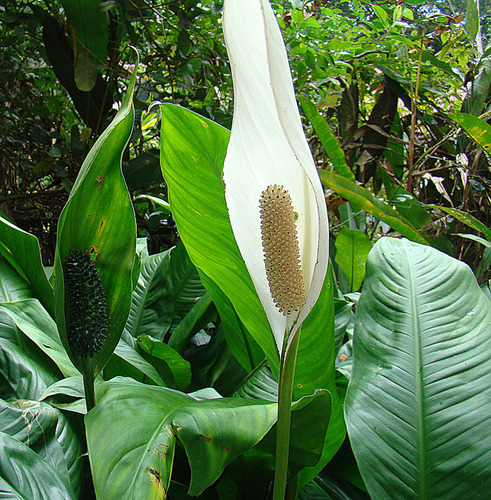
Peace Lily

Spathiphyllum

The Mauna Loa Peace Lily is a popular indoor plant known for its elegant white spathes and lush foliage. It contains insoluble calcium oxalate crystals that can cause irritation upon contact or ingestion.

cat

Potentially toxic

Consulted references classify the plant as toxic or irritating for that pet type.

Watch for

Oral irritation, intense burning and irritation of the mouth, tongue and lips, excessive drooling, vomiting, and difficulty swallowing.

dog

Potentially toxic

Consulted references classify the plant as toxic or irritating for that pet type.

Watch for

Oral irritation, intense burning and irritation of the mouth, tongue and lips, excessive drooling, vomiting, and difficulty swallowing.