Compare

Sweet Marjoram vs. Greek Oregano: which is safe for cats and dogs?

Sweet Marjoram and Greek Oregano are frequently compared because both belong to the Origanum genus, leading many gardeners to group them together in kitchen herb displays. If you are deciding which to keep in your home, it is important to know that both plants are considered potentially toxic to pets. While neither plant is typically life-threatening in small amounts, ingestion of either herb can cause gastrointestinal distress in both cats and dogs. Because they share similar chemical properties, you should treat both with the same level of caution to prevent your pets from snacking on the leaves, regardless of which variety you choose to grow.

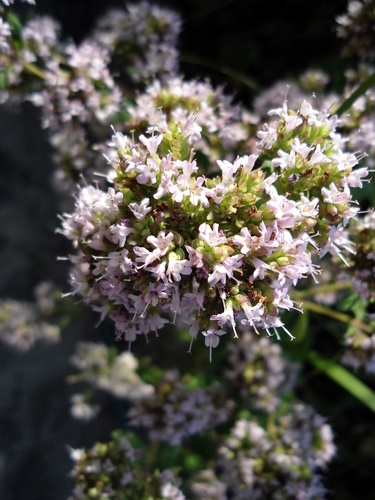
Sweet Marjoram

Origanum majorana

Marjoram is a popular culinary herb often grown in kitchen gardens or as a potted plant. While widely used in cooking, ingestion of large quantities by pets can lead to gastrointestinal distress.

cat

Potentially toxic

Consulted references classify the plant as toxic or irritating for that pet type.

Watch for

Vomiting, diarrhea, and potential gastrointestinal irritation.

dog

Potentially toxic

Consulted references classify the plant as toxic or irritating for that pet type.

Watch for

Vomiting, diarrhea, and potential gastrointestinal upset.
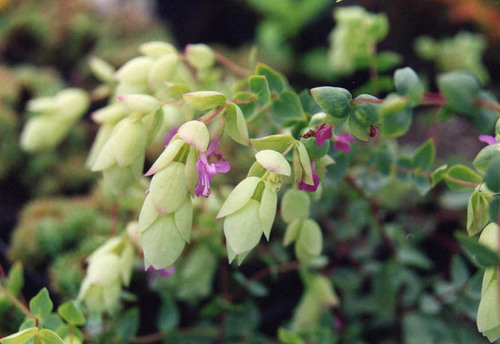
Greek Oregano

Origanum vulgare hirtum

Greek Oregano is a popular culinary herb known for its pungent, aromatic leaves and low-growing, spreading habit. While widely used in cooking, ingestion of large quantities by pets can lead to gastrointestinal distress.

cat

Potentially toxic

Consulted references classify the plant as toxic or irritating for that pet type.

Watch for

Vomiting, diarrhea, and potential gastrointestinal irritation.

dog

Potentially toxic

Consulted references classify the plant as toxic or irritating for that pet type.

Watch for

Vomiting, diarrhea, and potential gastrointestinal upset.