Compare

Grapefruit vs. Lemon: which is safe for cats and dogs?

Grapefruit and Lemon are frequently compared because they both belong to the Citrus genus, sharing similar aromatic foliage and acidic fruit profiles that make them common choices for home gardens. It is important for pet owners to know that both plants are considered potentially toxic to cats and dogs. Every part of these trees contains essential oils and psoralens, which can cause significant gastrointestinal distress and skin irritation in pets if ingested or handled. While the specific reactions can vary between individual animals, both plants pose a risk that requires careful supervision. If you suspect your pet has come into contact with either plant, please consult your veterinarian.

Grapefruit

Citrus paradisi

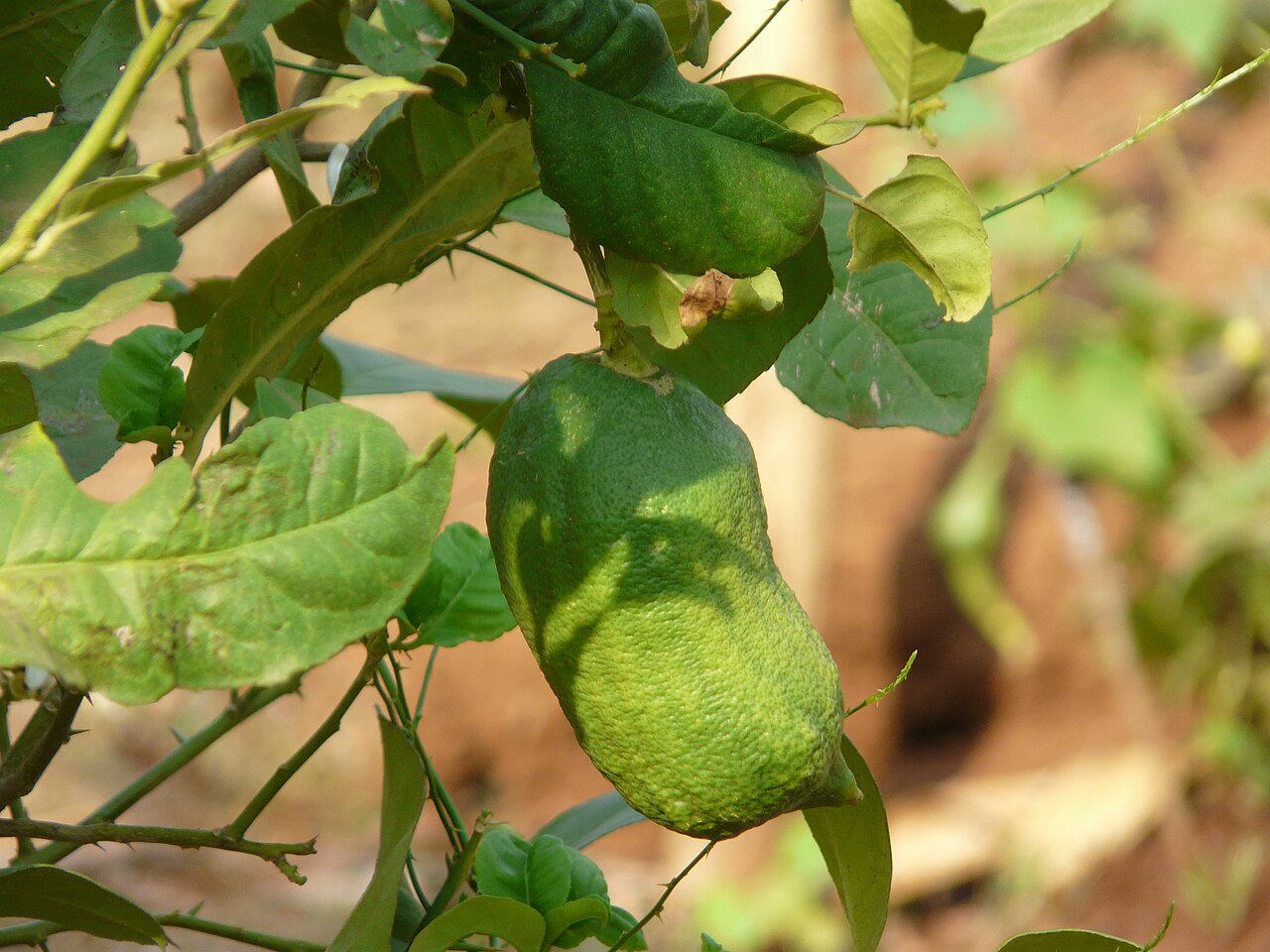
Grapefruit is a citrus tree known for its large, tart fruit and glossy, aromatic foliage. While popular in home orchards, all parts of the plant contain essential oils and psoralens that can cause adverse reactions in pets.

cat

Potentially toxic

Consulted references classify the plant as toxic or irritating for that pet type.

Watch for

Drooling, vomiting, diarrhea, and potential skin irritation upon contact.

dog

Potentially toxic

Consulted references classify the plant as toxic or irritating for that pet type.

Watch for

Vomiting, diarrhea, lethargy, and potential skin irritation or dermatitis.
Lemon

Citrus limonia

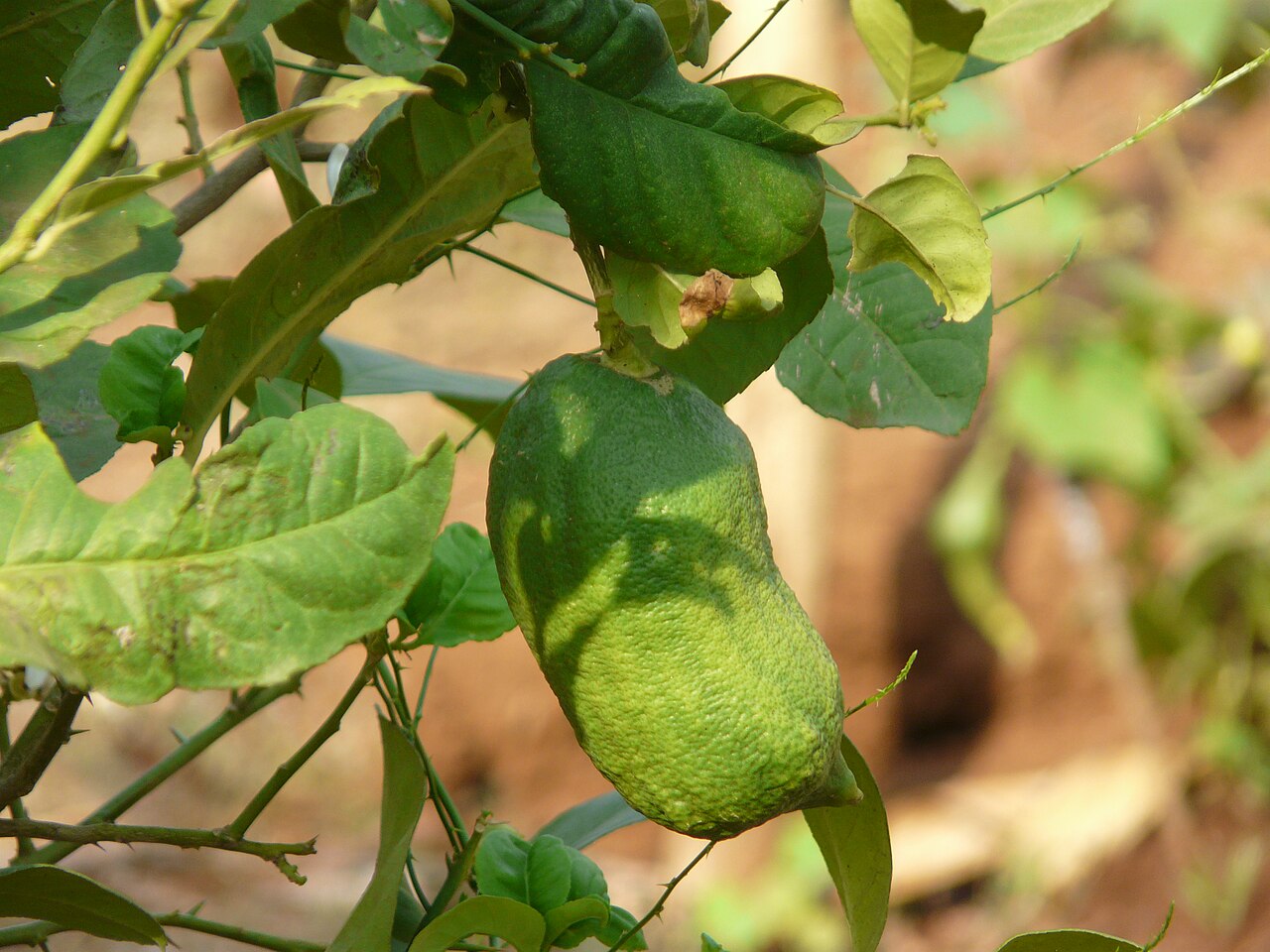
The lemon tree is a popular citrus plant known for its fragrant blossoms and acidic fruit. While often grown for culinary use, all parts of the plant contain essential oils and psoralens that can cause adverse reactions in pets.

cat

Potentially toxic

Consulted references classify the plant as toxic or irritating for that pet type.

Watch for

Drooling, vomiting, diarrhea, and potential skin irritation upon contact.

dog

Potentially toxic

Consulted references classify the plant as toxic or irritating for that pet type.

Watch for

Vomiting, diarrhea, lethargy, and signs of skin irritation or sensitivity.