Compare

Pacific Yew vs. English Yew: which is safe for cats and dogs?

Pacific Yew and English Yew are frequently compared because both belong to the Taxus genus and share similar evergreen characteristics that can make them difficult to distinguish at a glance. It is vital for pet owners to understand that both of these plants are extremely dangerous to cats and dogs. Every part of these conifers, including the needles and seeds, contains potent taxine alkaloids that can cause severe systemic distress and potentially fatal cardiac events. Because both varieties pose a significant risk of sudden toxicity, neither plant is considered safe to have in a home or garden accessible to your pets.

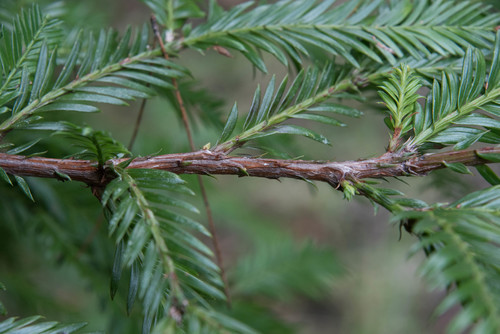
Pacific Yew

Taxus brevifolia

The Pacific Yew is an evergreen conifer containing taxine alkaloids that are highly poisonous to most animals. Ingestion of any part of the plant, especially the needles and seeds, can lead to severe systemic distress.

cat

Potentially toxic

Consulted references classify the plant as toxic or irritating for that pet type.

Watch for

Tremors, difficulty breathing, drooling, vomiting, and potential cardiac collapse.

dog

Potentially toxic

Consulted references classify the plant as toxic or irritating for that pet type.

Watch for

Muscle weakness, dilated pupils, collapse, irregular heartbeat, and gastrointestinal distress.

English Yew

Taxus baccata

English Yew is a highly toxic evergreen conifer containing taxine alkaloids that affect the cardiovascular and nervous systems. Ingestion of any part of the plant, especially the needles and seeds, is considered a medical emergency.

cat

Potentially toxic

Consulted references classify the plant as toxic or irritating for that pet type.

Watch for

Drooling, vomiting, diarrhea, tremors, difficulty breathing, and potential collapse.

dog

Potentially toxic

Consulted references classify the plant as toxic or irritating for that pet type.

Watch for

Vomiting, lethargy, muscle tremors, seizures, difficulty breathing, and irregular heartbeat.