Compare

Doghobble vs. Maleberry: which is safe for cats and dogs?

Doghobble and Maleberry are frequently compared and occasionally confused because they both share the common-name alias Fetterbush. While they belong to different botanical genera, both plants are potentially toxic to pets due to the presence of grayanotoxins. Ingesting any part of either shrub can lead to significant systemic illness in cats and dogs, ranging from gastrointestinal distress to serious cardiac issues. Because both plants pose a genuine health risk to your animals, it is important to keep them out of reach or avoid them entirely in homes with curious pets. Please consult the specific safety details below to understand the unique risks each plant presents.

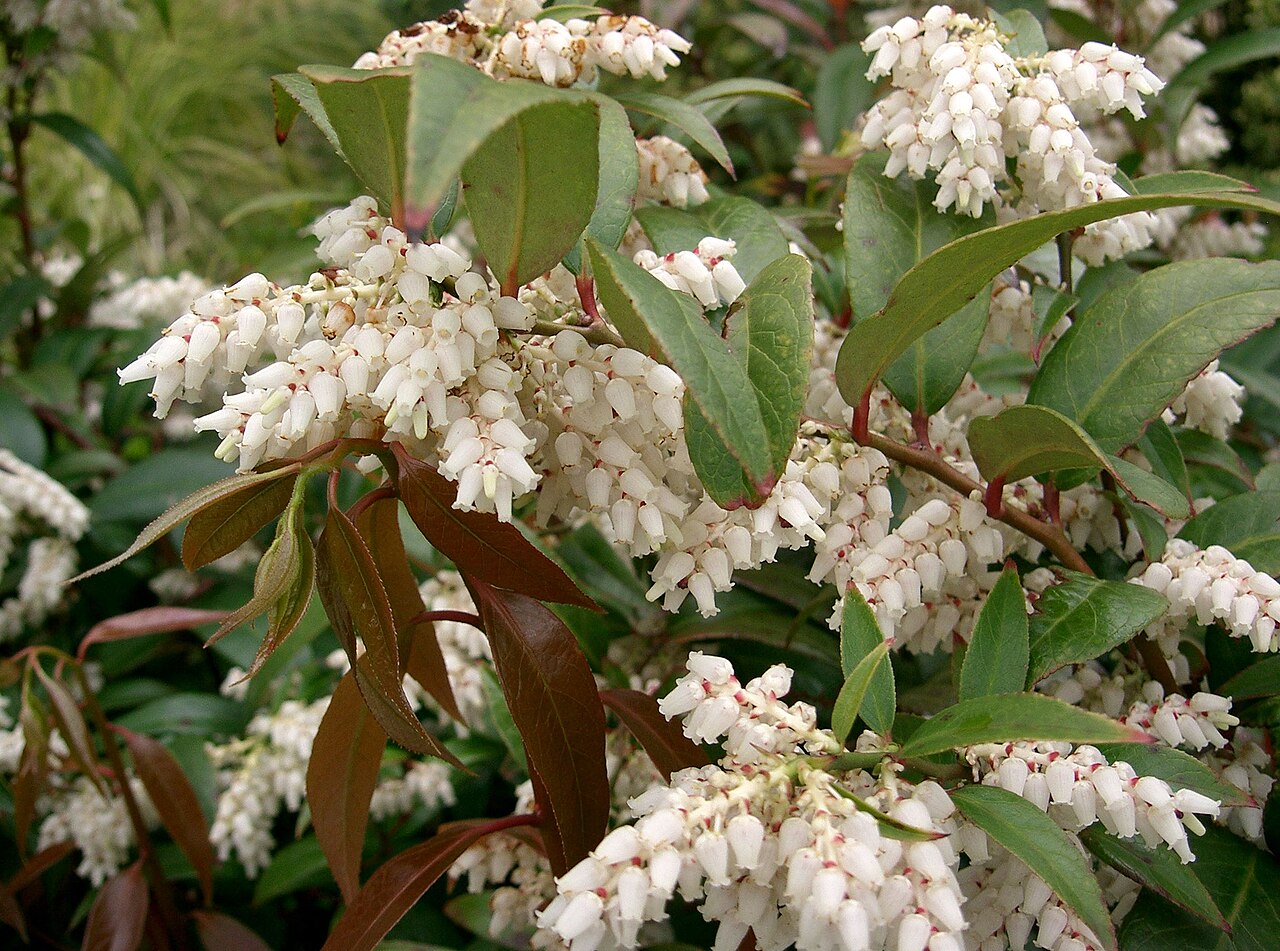
Doghobble

Leucothoe spp.

Leucothoe is a genus of evergreen shrubs known for their arching branches and drooping clusters of bell-shaped flowers. These plants contain grayanotoxins, which are harmful if ingested by household pets.

cat

Potentially toxic

Consulted references classify the plant as toxic or irritating for that pet type.

Watch for

Drooling, vomiting, diarrhea, weakness, and potential cardiac irregularities.

dog

Potentially toxic

Consulted references classify the plant as toxic or irritating for that pet type.

Watch for

Excessive salivation, vomiting, abdominal pain, loss of appetite, and potential tremors or cardiac distress.
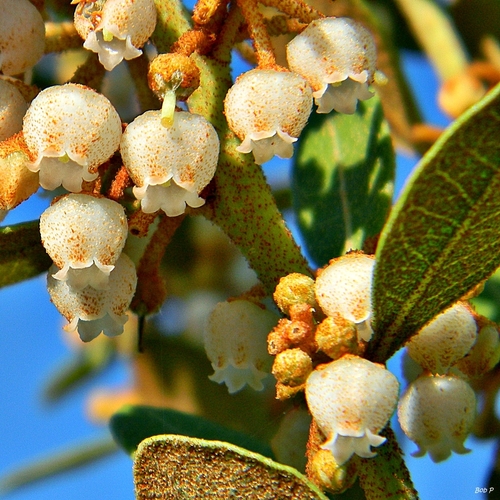
Maleberry

Lyonia sp.

Maleberry is a deciduous shrub in the heath family known for its clusters of small, bell-shaped flowers. It contains grayanotoxins, which can cause significant illness if ingested by pets.

cat

Potentially toxic

Consulted references classify the plant as toxic or irritating for that pet type.

Watch for

Drooling, vomiting, diarrhea, weakness, and potential cardiac arrhythmias.

dog

Potentially toxic

Consulted references classify the plant as toxic or irritating for that pet type.

Watch for

Excessive salivation, vomiting, abdominal pain, lethargy, and difficulty breathing.