Compare

Dogbane vs. Spreading Dogbane: which is safe for cats and dogs?

Dogbane and Spreading Dogbane are frequently compared because both belong to the Apocynum genus, sharing similar growth habits and characteristic milky sap. It is vital for pet owners to understand that both plants are considered potentially toxic to cats and dogs. Because they contain cardiac glycosides, ingestion of either plant can lead to severe systemic distress and life-threatening heart issues in animals. While they are more commonly found in wild or garden settings than as indoor houseplants, their presence in your environment poses a serious risk. If you suspect your pet has consumed any part of either plant, you should seek immediate veterinary care.

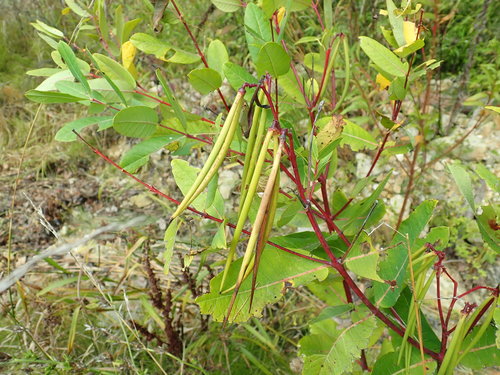
Dogbane

Apocynum spp.

Dogbane is a genus of perennial herbaceous plants known for their milky latex sap and potential toxicity to animals. It is generally considered a wild plant rather than a typical houseplant, but it may be encountered in gardens or naturalized areas.

cat

Potentially toxic

Consulted references classify the plant as toxic or irritating for that pet type.

Watch for

Vomiting, diarrhea, drooling, cardiac arrhythmias, and lethargy.

dog

Potentially toxic

Consulted references classify the plant as toxic or irritating for that pet type.

Watch for

Vomiting, diarrhea, weakness, tremors, and irregular heartbeat.
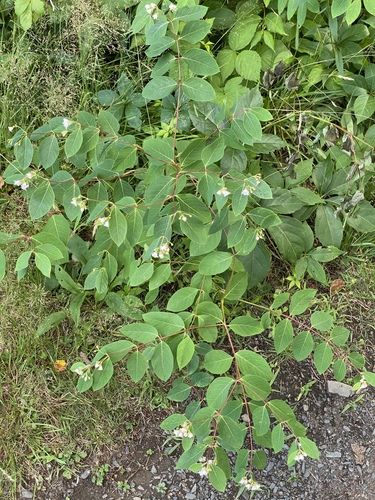
Spreading Dogbane

Apocynum androsaemifolium

Bitter Root is a perennial herbaceous plant known for its pink, bell-shaped flowers and milky sap. It contains cardiac glycosides that are harmful if ingested by pets.

cat

Potentially toxic

Consulted references classify the plant as toxic or irritating for that pet type.

Watch for

Vomiting, diarrhea, drooling, cardiac arrhythmias, and lethargy.

dog

Potentially toxic

Consulted references classify the plant as toxic or irritating for that pet type.

Watch for

Vomiting, diarrhea, weakness, tremors, and irregular heartbeat.