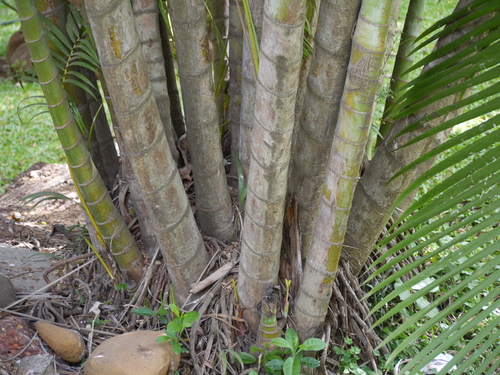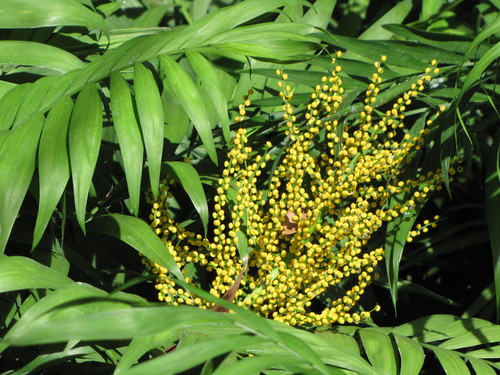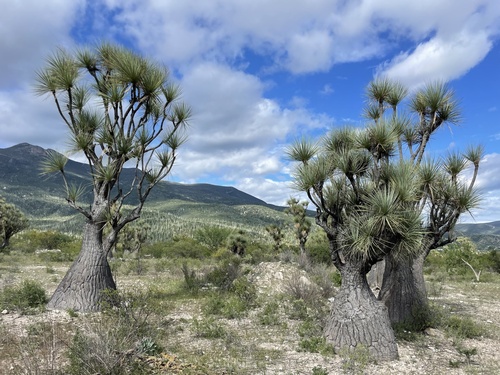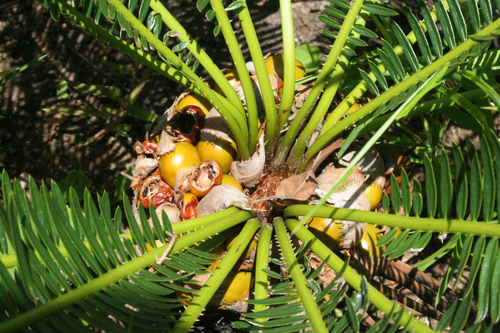
Compare

Cycads vs. Sago Palm: which is safe for cats and dogs?

Cycads and Sago Palm are frequently confused by pet owners because both plants share the common-name alias cardboard palm. It is vital to understand that both of these plants are extremely dangerous for cats and dogs. Because they belong to the same group of cycad species, every part of these plants, particularly the seeds, contains potent toxins that can lead to severe health complications or death. There is no safe variety between these two, and ingestion of any amount should be treated as a critical medical emergency. Please review the specific risks for your pets below to understand why these plants must be kept entirely out of reach.

Cycads

Cycas and Zamia species

Cycads are ancient, palm-like gymnosperms that contain potent toxins throughout the entire plant, especially the seeds. Ingestion of any part of these plants is considered a medical emergency for pets.

cat

Potentially toxic

Consulted references classify the plant as toxic or irritating for that pet type.

Watch for

Vomiting, diarrhea, lethargy, jaundice, increased thirst, and potential liver failure.

dog

Potentially toxic

Consulted references classify the plant as toxic or irritating for that pet type.

Watch for

Vomiting, bloody stools, jaundice, bruising, coagulopathy, and liver failure.
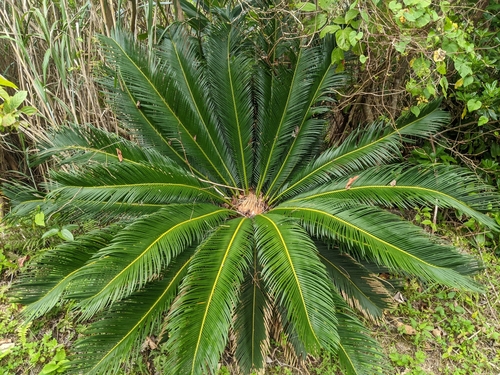
Sago Palm

Cycas revoluta

The Sago Palm is a popular ornamental cycad that is highly toxic to pets if ingested. All parts of the plant, especially the seeds, contain cycasin, which can cause severe health complications.

cat

Potentially toxic

Consulted references classify the plant as toxic or irritating for that pet type.

Watch for

Vomiting, diarrhea, lethargy, jaundice, and potential liver failure.

dog

Potentially toxic

Consulted references classify the plant as toxic or irritating for that pet type.

Watch for

Vomiting, bloody stools, jaundice, increased thirst, bruising, and liver damage.

Safer alternatives

Some links earn us a small commission. They never affect our safety classifications.