Compare

Yellow Star Thistle vs. Cornflower: which is safe for cats and dogs?

Yellow Star Thistle and Cornflower are frequently compared because both belong to the Centaurea genus, sharing similar structural characteristics despite their distinct appearances. If you are deciding which to bring into your home, you can rest easy knowing that both plants are considered non-toxic to cats and dogs. While neither is poisonous, it is important to remember that both contain fibrous material that can lead to minor digestive upset if your pet decides to snack on them in large quantities. The following sections provide specific details on how these plants may affect your pets and what to monitor if ingestion occurs.

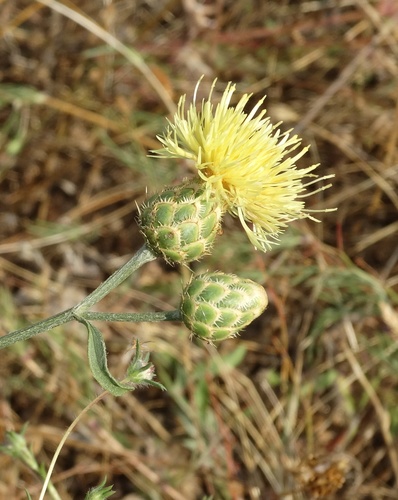
Yellow Star Thistle

Centaurea solstitialis

Barnaby's Thistle is a hardy, spiny annual plant often found in open fields and meadows. While generally considered non-toxic, its fibrous nature can occasionally cause minor digestive discomfort if consumed in large quantities.

cat

Uncertain

Identity or evidence quality is not strong enough for a firm answer.

Watch for

Under review — original classification flagged as a likely labeler error pending curator verification.
dog

Uncertain

Identity or evidence quality is not strong enough for a firm answer.

Watch for

Under review — original classification flagged as a likely labeler error pending curator verification.

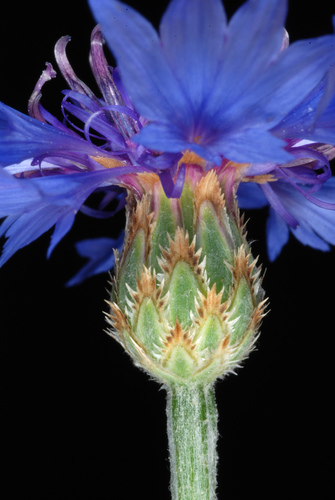
Cornflower

Centaurea cyanus

Bachelor's Button is a popular annual flowering plant known for its vibrant blue blooms and ease of cultivation. It is considered non-toxic to pets, though ingestion of large amounts of fibrous plant material may cause minor digestive discomfort.

cat

Generally safe

Consulted references do not classify the plant as toxic for that pet type, while still allowing for mild GI upset if large amounts are chewed.

Watch for

None expected, though large ingestions may cause mild vomiting or diarrhea due to fiber content.

dog

Generally safe

Consulted references do not classify the plant as toxic for that pet type, while still allowing for mild GI upset if large amounts are chewed.

Watch for

None expected, though large ingestions may cause mild vomiting or diarrhea due to fiber content.