Compare

Common Privet vs. Japanese Privet: which is safe for cats and dogs?

Common Privet and Japanese Privet are frequently compared because they both belong to the Ligustrum genus and share a similar appearance as popular landscaping shrubs. If you are choosing between these two for your home or garden, it is important to know that both plants are considered toxic to cats and dogs. While the specific species differ, both Common Privet and Japanese Privet contain compounds throughout their leaves and berries that can trigger significant gastrointestinal distress if ingested by your pets. Regardless of which variety you encounter, you should treat these plants as hazardous to your animals and contact a veterinarian if any ingestion occurs.

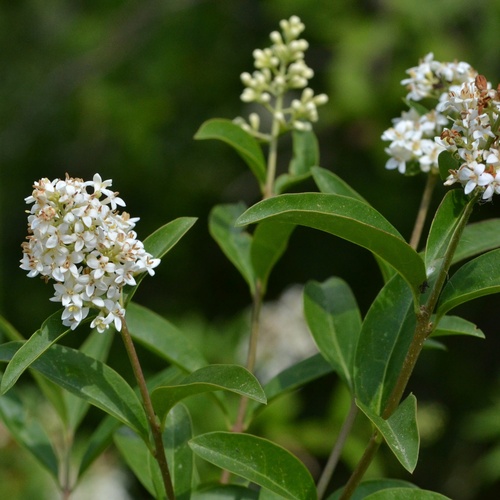
Common Privet

Ligustrum vulgare

Common Privet is a semi-evergreen shrub often used for hedging that contains toxic compounds throughout the plant, particularly in the berries and leaves. Ingestion can lead to significant gastrointestinal distress in household pets.

cat

Potentially toxic

Consulted references classify the plant as toxic or irritating for that pet type.

Watch for

Vomiting, diarrhea, abdominal pain, and potential lethargy.

dog

Potentially toxic

Consulted references classify the plant as toxic or irritating for that pet type.

Watch for

Vomiting, diarrhea, abdominal pain, and potential drooling.
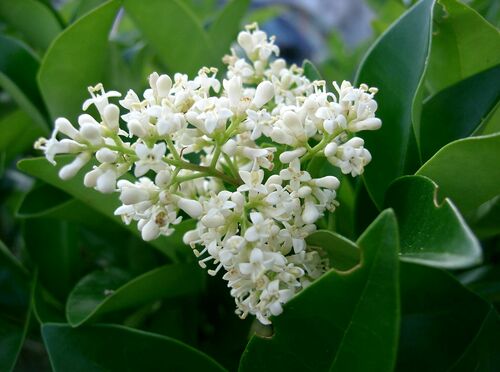
Japanese Privet

Ligustrum japonicum

Ligustrum japonicum is a popular evergreen shrub often used for hedging, but it contains compounds that can cause gastrointestinal distress if ingested. It is considered toxic to both cats and dogs.

cat

Potentially toxic

Consulted references classify the plant as toxic or irritating for that pet type.

Watch for

Vomiting, diarrhea, and abdominal pain.

dog

Potentially toxic

Consulted references classify the plant as toxic or irritating for that pet type.

Watch for

Vomiting, diarrhea, and potential lethargy.