Compare

Clivia vs. Clivia Lily: which is safe for cats and dogs?

Clivia and Clivia Lily are frequently confused by gardeners and pet owners alike because they both share the common-name alias Kaffir Lily. While they are often discussed as distinct options for indoor spaces, it is important to understand that both plants are potentially toxic to your household pets. Because they contain similar alkaloids, including lycorine, ingestion can lead to significant gastrointestinal distress in both cats and dogs. Understanding the specific risks associated with these plants is essential for maintaining a safe environment for your animals. Below, we break down the specific safety considerations for cats and dogs to help you make an informed decision for your home.

Clivia

Clivia miniata

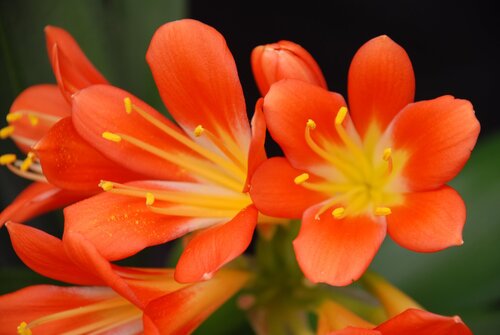
Clivia miniata is a popular flowering houseplant known for its vibrant orange or red clusters of blooms. It contains lycorine and other alkaloids that can cause gastrointestinal distress if ingested by pets.

cat

Potentially toxic

Consulted references classify the plant as toxic or irritating for that pet type.

Watch for

Vomiting, diarrhea, excessive drooling, and abdominal pain.

dog

Potentially toxic

Consulted references classify the plant as toxic or irritating for that pet type.

Watch for

Vomiting, diarrhea, lethargy, and potential tremors in severe cases.
Clivia Lily

Clivia spp.

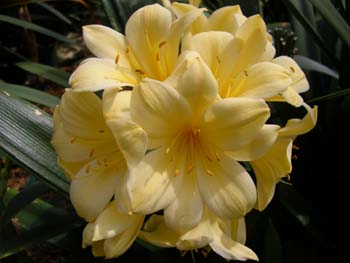
Clivia is a popular, slow-growing shade-loving plant known for its strap-like leaves and vibrant clusters of trumpet-shaped flowers. It contains lycorine and other alkaloids that can cause gastrointestinal distress if ingested by pets.

cat

Potentially toxic

Consulted references classify the plant as toxic or irritating for that pet type.

Watch for

Vomiting, diarrhea, excessive drooling, and abdominal pain.

dog

Potentially toxic

Consulted references classify the plant as toxic or irritating for that pet type.

Watch for

Vomiting, diarrhea, lethargy, and potential tremors in severe cases.