Compare

Peach vs. Chokecherry: which is safe for cats and dogs?

Peach and Chokecherry are frequently compared because both belong to the Prunus genus, a group of plants known for producing cyanogenic glycosides. It is important for pet owners to understand that both Peach and Chokecherry are potentially toxic to cats and dogs. While they are different species, both plants contain compounds that can release cyanide when ingested, posing a serious health risk to your animals. Because the leaves, stems, and seeds of these plants can cause severe reactions, they should be kept strictly out of reach of your pets. If you suspect your cat or dog has consumed any part of either plant, seek immediate veterinary attention.

Peach

Prunus persica

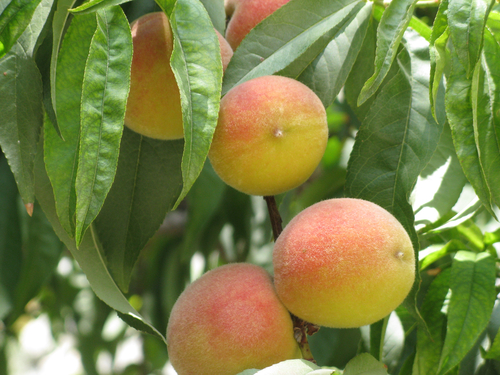
The peach tree is a deciduous fruit-bearing plant known for its edible stone fruits. While the fruit flesh is generally consumed by humans, the leaves, stems, and seeds contain cyanogenic glycosides that pose a risk to pets if ingested.

cat

Potentially toxic

Consulted references classify the plant as toxic or irritating for that pet type.

Watch for

Vomiting, diarrhea, lethargy, and potential signs of cyanide poisoning such as difficulty breathing or dilated pupils.

dog

Potentially toxic

Consulted references classify the plant as toxic or irritating for that pet type.

Watch for

Vomiting, diarrhea, abdominal pain, and potential signs of cyanide poisoning including rapid breathing or shock.
Chokecherry

Prunus virginiana

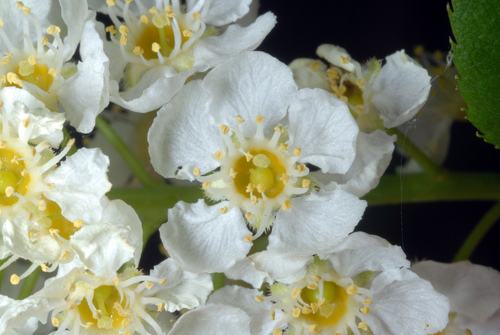
Choke Cherry is a deciduous shrub or small tree known for its clusters of white flowers and dark berries. It contains cyanogenic glycosides which can be harmful if ingested by pets.

cat

Potentially toxic

Consulted references classify the plant as toxic or irritating for that pet type.

Watch for

Dilated pupils, difficulty breathing, bright red gums, shock, and potential collapse.

dog

Potentially toxic

Consulted references classify the plant as toxic or irritating for that pet type.

Watch for

Excessive drooling, vomiting, rapid breathing, weakness, and potential seizures.