Compare

Charming Dieffenbachia vs. Gold Dieffenbachia: which is safe for cats and dogs?

Charming Dieffenbachia and Gold Dieffenbachia are frequently confused by houseplant enthusiasts because both species are commonly referred to by the alias dumb cane. While they belong to different botanical classifications, they share the same problematic chemical makeup. Both plants are considered potentially toxic to cats and dogs due to the presence of insoluble calcium oxalate crystals within their tissues. Because these crystals cause immediate mechanical irritation upon contact or ingestion, both varieties pose a similar risk to your pets. If you are choosing between these two tropical foliage plants, it is important to understand that neither is a pet-safe option for your home environment.

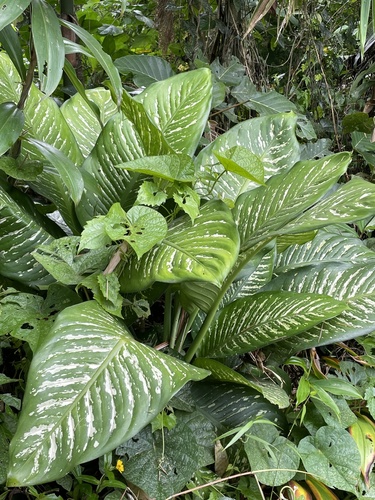
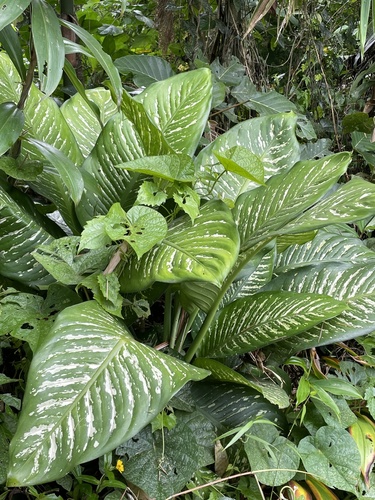
Charming Dieffenbachia

Dieffenbachia amoena

Dieffenbachia amoena is a popular tropical foliage plant known for its large, variegated leaves. It contains insoluble calcium oxalate crystals that can cause irritation if ingested or chewed.

cat

Potentially toxic

Consulted references classify the plant as toxic or irritating for that pet type.

Watch for

Oral irritation, intense burning and irritation of mouth, tongue and lips, excessive drooling, vomiting, and difficulty swallowing.
dog

Potentially toxic

Consulted references classify the plant as toxic or irritating for that pet type.

Watch for

Oral irritation, intense burning and irritation of mouth, tongue and lips, excessive drooling, vomiting, and difficulty swallowing.

Gold Dieffenbachia

Dieffenbachia picta

Dieffenbachia picta is a popular tropical houseplant known for its striking, variegated foliage. It contains insoluble calcium oxalate crystals that can cause irritation if ingested or handled.

cat

Potentially toxic

Consulted references classify the plant as toxic or irritating for that pet type.

Watch for

Oral irritation, intense burning and irritation of mouth, tongue and lips, excessive drooling, vomiting, and difficulty swallowing.

dog

Potentially toxic

Consulted references classify the plant as toxic or irritating for that pet type.

Watch for

Oral irritation, intense burning and irritation of mouth, tongue and lips, excessive drooling, vomiting, and difficulty swallowing.