Compare

Chamomile vs. Mayweed: which is safe for cats and dogs?

Chamomile and Mayweed are frequently compared because both belong to the Anthemis genus, leading many pet owners to wonder if these daisy-like plants share the same safety profile. Unfortunately, both Chamomile and Mayweed are considered potentially toxic to cats and dogs. While they are distinct plants, ingestion of either can lead to gastrointestinal distress, and contact with the foliage may cause skin irritation or allergic reactions in your pets. Because both plants pose risks to your animals, it is important to understand the specific ways they can affect your cat or dog before deciding to keep them in your home or garden.

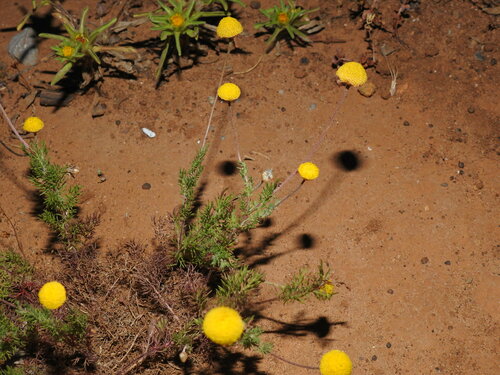
Chamomile

Anthemis nobilis

Chamomile is a flowering plant in the daisy family often used in herbal teas and essential oils. While popular for human use, it contains compounds that can cause adverse reactions in pets if ingested.

cat

Potentially toxic

Consulted references classify the plant as toxic or irritating for that pet type.

Watch for

Vomiting, diarrhea, anorexia, and potential allergic skin reactions upon contact.

dog

Potentially toxic

Consulted references classify the plant as toxic or irritating for that pet type.

Watch for

Vomiting, diarrhea, lethargy, and potential contact dermatitis.
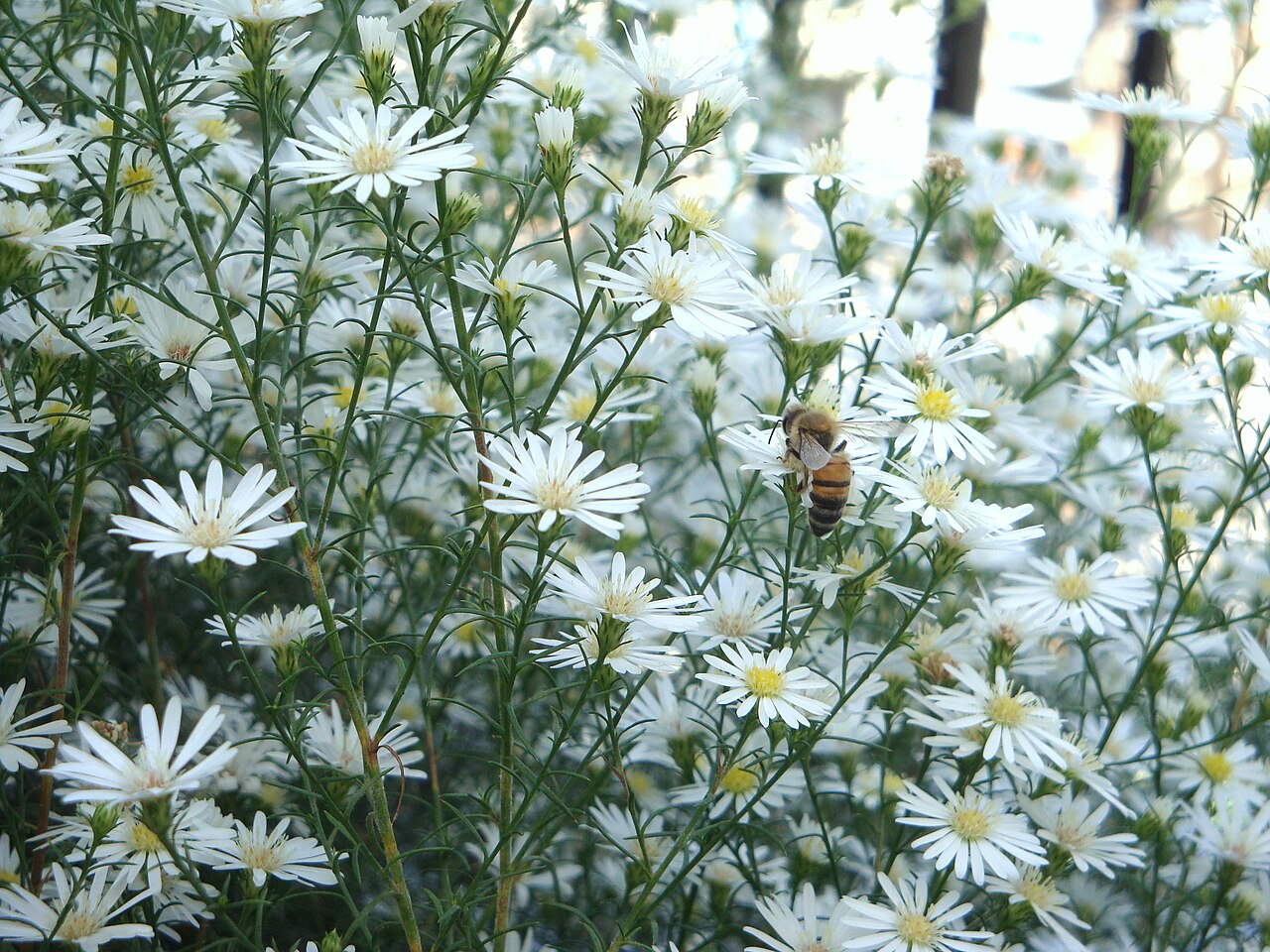
Mayweed

Anthemis cotula

Mayweed is a flowering herbaceous plant in the daisy family known for its strong scent and daisy-like blooms. It is considered toxic to pets due to the presence of compounds that can cause irritation upon contact or ingestion.

cat

Potentially toxic

Consulted references classify the plant as toxic or irritating for that pet type.

Watch for

Dermatitis, oral irritation, drooling, and potential gastrointestinal upset if ingested.

dog

Potentially toxic

Consulted references classify the plant as toxic or irritating for that pet type.

Watch for

Skin redness, blistering, oral irritation, and digestive distress.