Compare

Calamondin Orange vs. Lemon: which is safe for cats and dogs?

Calamondin Orange and Lemon trees are frequently compared because both belong to the Citrus genus, leading many pet owners to wonder if their ornamental appeal carries the same risks. It is important to know that both plants are considered potentially toxic to cats and dogs. While they are not typically life-threatening in small amounts, both contain essential oils and psoralens that can cause gastrointestinal distress and skin irritation in pets. Because these compounds are present throughout the foliage and fruit of both species, it is best to keep these plants out of reach of your animals to prevent accidental ingestion or contact-related discomfort.

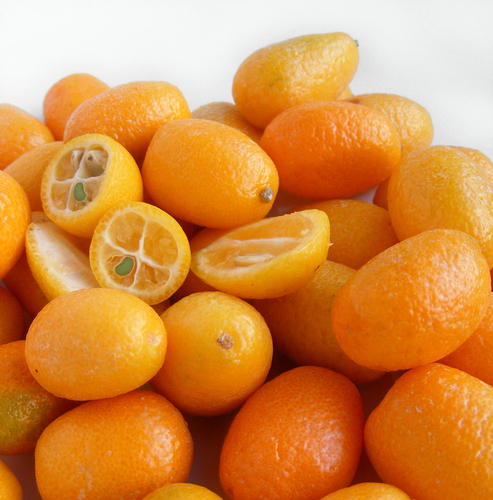
Calamondin Orange

Citrus mitis

The Calamondin Orange is a small citrus tree often grown as an ornamental houseplant for its fragrant flowers and small, edible-looking fruit. It contains essential oils and psoralens that can cause irritation if ingested or touched by pets.

cat

Potentially toxic

Consulted references classify the plant as toxic or irritating for that pet type.

Watch for

Drooling, vomiting, diarrhea, and potential skin irritation upon contact.

dog

Potentially toxic

Consulted references classify the plant as toxic or irritating for that pet type.

Watch for

Vomiting, diarrhea, lethargy, and potential photosensitivity or skin irritation.
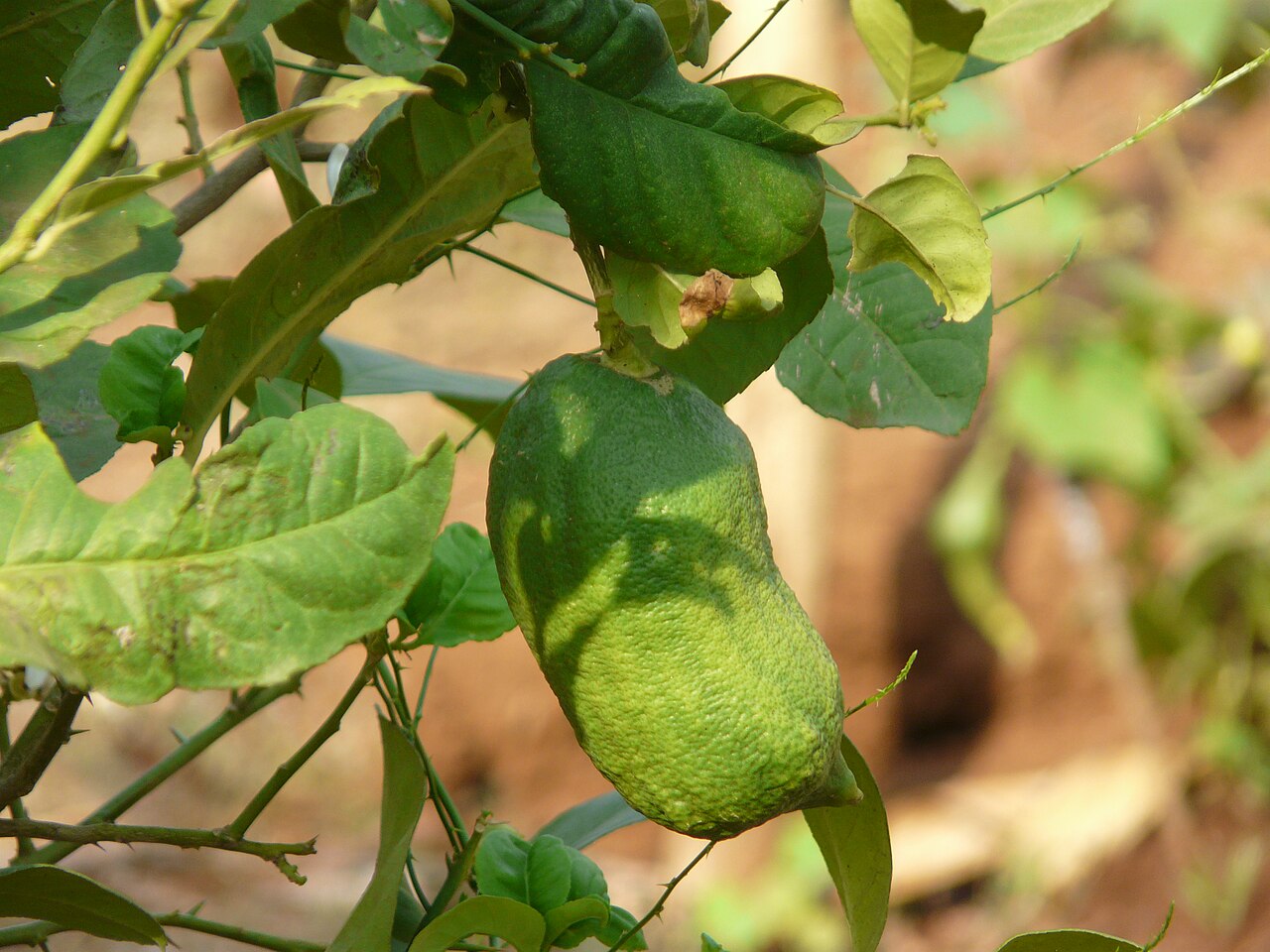
Lemon

Citrus limonia

The lemon tree is a popular citrus plant known for its fragrant blossoms and acidic fruit. While often grown for culinary use, all parts of the plant contain essential oils and psoralens that can cause adverse reactions in pets.

cat

Potentially toxic

Consulted references classify the plant as toxic or irritating for that pet type.

Watch for

Drooling, vomiting, diarrhea, and potential skin irritation upon contact.

dog

Potentially toxic

Consulted references classify the plant as toxic or irritating for that pet type.

Watch for

Vomiting, diarrhea, lethargy, and signs of skin irritation or sensitivity.