Compare

Ohio Buckeye vs. Buckeye: which is safe for cats and dogs?

Ohio Buckeye and Buckeye are frequently compared because they share the same common-name alias, leading to confusion for pet owners trying to identify potential hazards in their landscape. It is important to understand that both plants are considered potentially toxic to cats and dogs. Whether you are dealing with the specific Aesculus glabra or other varieties within the genus, all parts of these trees, especially the seeds and leaves, contain harmful glycosides and saponins. Ingestion can lead to serious gastrointestinal distress and neurological symptoms in both species. Because the risk is significant for all pets, you should keep these plants well away from your animals.

Ohio Buckeye

Aesculus glabra

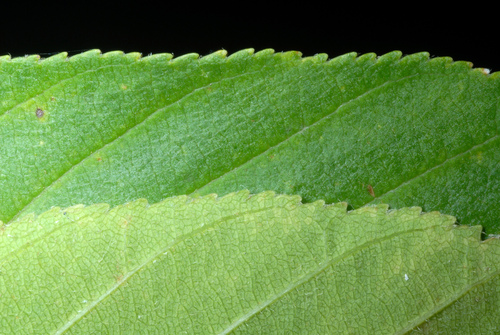
The Horse Chestnut is a deciduous tree known for its distinctive palmately compound leaves and spiky seed pods. All parts of the plant, particularly the seeds and leaves, contain saponins and glycosides that are harmful if ingested.

cat

Potentially toxic

Consulted references classify the plant as toxic or irritating for that pet type.

Watch for

Vomiting, diarrhea, abdominal pain, drooling, and in severe cases, tremors or incoordination.

dog

Potentially toxic

Consulted references classify the plant as toxic or irritating for that pet type.

Watch for

Vomiting, diarrhea, lethargy, muscle weakness, and potential neurological signs like tremors or ataxia.
Buckeye

Aesculus spp

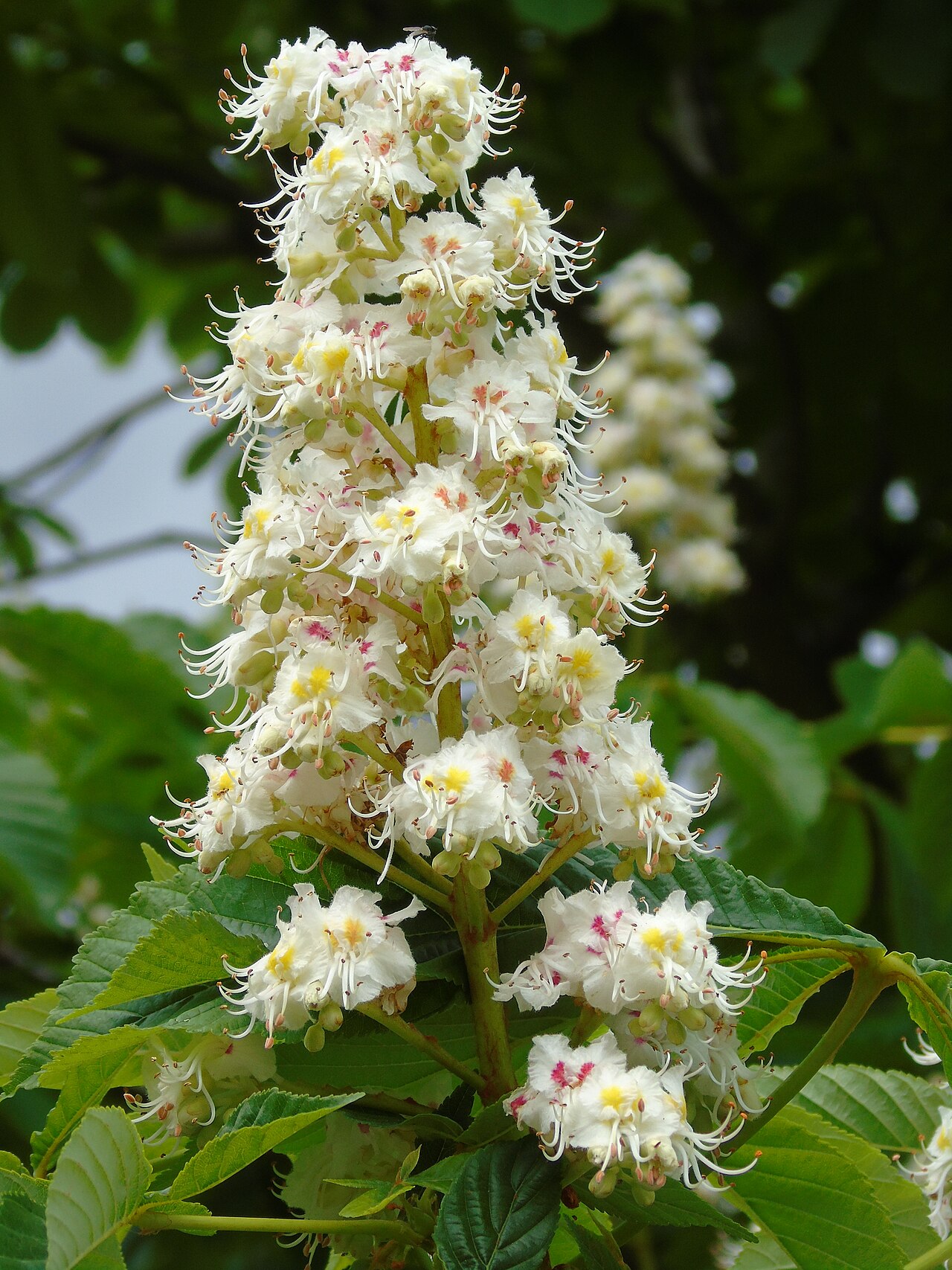
Buckeye trees and shrubs contain toxic glycosides and saponins that affect the gastrointestinal and nervous systems. All parts of the plant, especially the seeds and leaves, are considered poisonous if ingested.

cat

Potentially toxic

Consulted references classify the plant as toxic or irritating for that pet type.

Watch for

Vomiting, diarrhea, drooling, abdominal pain, and in severe cases, muscle tremors or incoordination.

dog

Potentially toxic

Consulted references classify the plant as toxic or irritating for that pet type.

Watch for

Vomiting, diarrhea, excessive salivation, lethargy, and potential neurological impairment such as tremors or weakness.