Compare

Queen's Cup vs. Blue Bead Lily: which is safe for cats and dogs?

Queen's Cup and Blue Bead Lily are frequently compared because both belong to the Clintonia genus, sharing similar woodland characteristics and appearance. If you are deciding which to keep in your home, you will be pleased to know that both plants are generally considered safe for cats and dogs. While neither is intended as a food source, they do not contain the dangerous toxins found in many other decorative species. As with any greenery, consuming large amounts of fibrous plant material may cause mild digestive upset in some pets, but you can rest easy knowing these plants are not inherently poisonous to your furry companions.

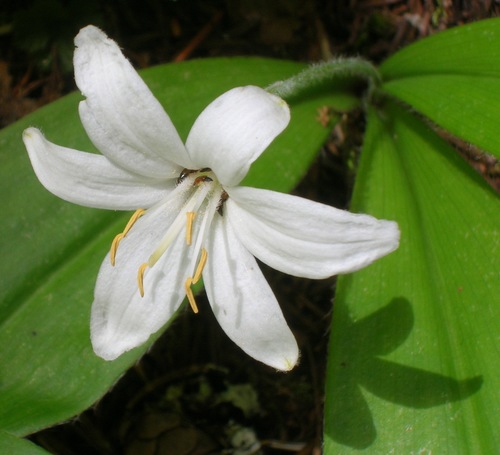
Queen's Cup

Clintonia uniflora

Clintonia uniflora is a perennial wildflower native to western North America, known for its single white, star-shaped flower and glossy, basal leaves. It is generally considered a non-toxic plant, though ingestion of any non-food plant material can cause minor digestive discomfort in pets.

cat

Uncertain

Identity or evidence quality is not strong enough for a firm answer.

Watch for

None specifically documented for this species.

dog

Uncertain

Identity or evidence quality is not strong enough for a firm answer.

Watch for

Under review — original classification flagged as a likely labeler error pending curator verification.
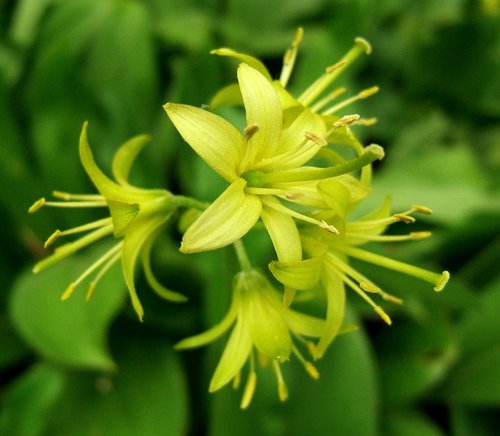
Blue Bead Lily

Clintonia borealis

Clintonia borealis is a woodland perennial known for its glossy leaves and striking blue berries. While generally considered safe for pets, it is not intended for consumption.

cat

Uncertain

Identity or evidence quality is not strong enough for a firm answer.

Watch for

Under review — original classification flagged as a likely labeler error pending curator verification.

dog

Uncertain

Identity or evidence quality is not strong enough for a firm answer.

Watch for

Under review — original classification flagged as a likely labeler error pending curator verification.