Compare

Black Cherry vs. Chokecherry: which is safe for cats and dogs?

Black Cherry and Chokecherry are frequently compared because both belong to the Prunus genus, sharing similar growth habits and chemical profiles that pose significant risks to household pets. Unfortunately, both Black Cherry and Chokecherry are considered potentially toxic to cats and dogs. Both plants contain cyanogenic glycosides, which release cyanide when ingested, making any consumption of their leaves, stems, or seeds a serious medical emergency. While the specific clinical signs may vary slightly between species, the underlying danger of cyanide poisoning remains a severe threat for both animals. If you suspect your pet has ingested any part of either tree, contact your veterinarian immediately.

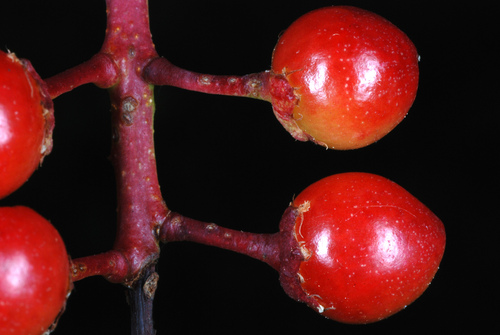
Black Cherry

Prunus serotina

Prunus serotina is a native North American tree known for its dark, edible fruit and foliage that contains cyanogenic glycosides. Ingestion of any part of the plant, particularly the leaves and seeds, can be hazardous to pets.

cat

Potentially toxic

Consulted references classify the plant as toxic or irritating for that pet type.

Watch for

Dilated pupils, difficulty breathing, bright red gums, shock, and potential collapse.

dog

Potentially toxic

Consulted references classify the plant as toxic or irritating for that pet type.

Watch for

Excessive drooling, vomiting, labored breathing, weakness, and potential seizures.
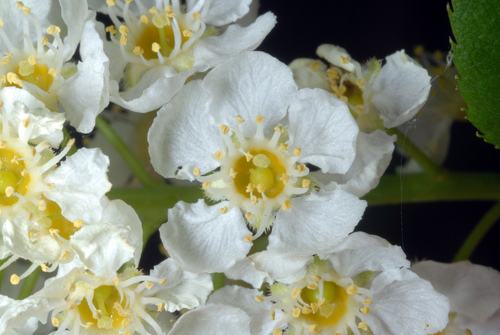
Chokecherry

Prunus virginiana

Choke Cherry is a deciduous shrub or small tree known for its clusters of white flowers and dark berries. It contains cyanogenic glycosides which can be harmful if ingested by pets.

cat

Potentially toxic

Consulted references classify the plant as toxic or irritating for that pet type.

Watch for

Dilated pupils, difficulty breathing, bright red gums, shock, and potential collapse.

dog

Potentially toxic

Consulted references classify the plant as toxic or irritating for that pet type.

Watch for

Excessive drooling, vomiting, rapid breathing, weakness, and potential seizures.