Compare

Bittersweet Nightshade vs. Jerusalem Cherry: which is safe for cats and dogs?

Bittersweet Nightshade and Jerusalem Cherry are frequently compared because both belong to the Solanum genus, a group well-known for containing toxic alkaloids. If you are a pet owner, it is important to understand that both plants are potentially toxic to cats and dogs. While they differ in their growth habits and appearance, both species contain solanine, which can cause significant gastrointestinal and neurological distress if ingested. Because all parts of these plants are considered harmful, they should be kept entirely out of reach of your pets. We have outlined the specific risks and common signs of poisoning for each plant below to help you keep your home environment safe.

Bittersweet Nightshade

Solanum dulcamara

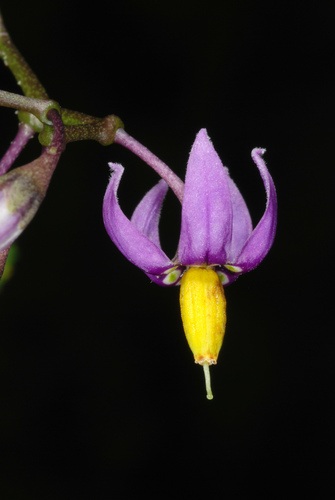
Climbing Nightshade is a perennial vine in the nightshade family known for its star-shaped purple flowers and bright red berries. It contains solanine alkaloids that are harmful to pets if ingested.

cat

Potentially toxic

Consulted references classify the plant as toxic or irritating for that pet type.

Watch for

Drooling, vomiting, diarrhea, lethargy, and in severe cases, tremors or cardiac arrhythmias.

dog

Potentially toxic

Consulted references classify the plant as toxic or irritating for that pet type.

Watch for

Gastrointestinal upset including vomiting and diarrhea, hypersalivation, weakness, and potential neurological signs like dilated pupils or tremors.
Jerusalem Cherry

Solanum pseudocapsicum

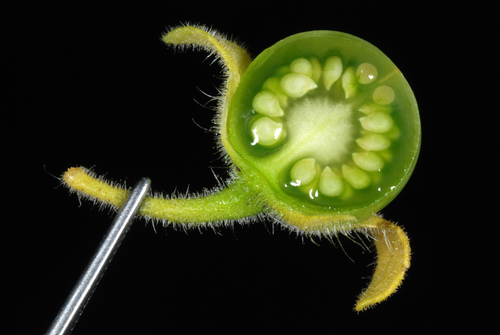
Jerusalem Cherry is an ornamental shrub known for its bright, berry-like fruits that contain toxic solanine alkaloids. Due to the presence of these compounds, all parts of the plant are considered harmful if ingested by pets.

cat

Potentially toxic

Consulted references classify the plant as toxic or irritating for that pet type.

Watch for

Vomiting, diarrhea, abdominal pain, excessive salivation, and in severe cases, central nervous system depression or seizures.

dog

Potentially toxic

Consulted references classify the plant as toxic or irritating for that pet type.

Watch for

Vomiting, diarrhea, lethargy, loss of appetite, and potential neurological signs such as tremors or weakness.