Compare

Begonia vs. Mapleleaf Begonia: which is safe for cats and dogs?

Begonia and Mapleleaf Begonia are frequently compared because both belong to the same genus, Begonia. If you are deciding between these two popular ornamental plants for your home, it is important to know that both are considered potentially toxic to pets. Each variety contains soluble calcium oxalates, which can cause immediate irritation to the mouth, tongue, and throat if ingested by your cat or dog. While the severity of the reaction can vary depending on the amount consumed and the specific part of the plant eaten, both species pose similar risks to your furry companions and should be kept out of reach.

Begonia

Begonia spp.

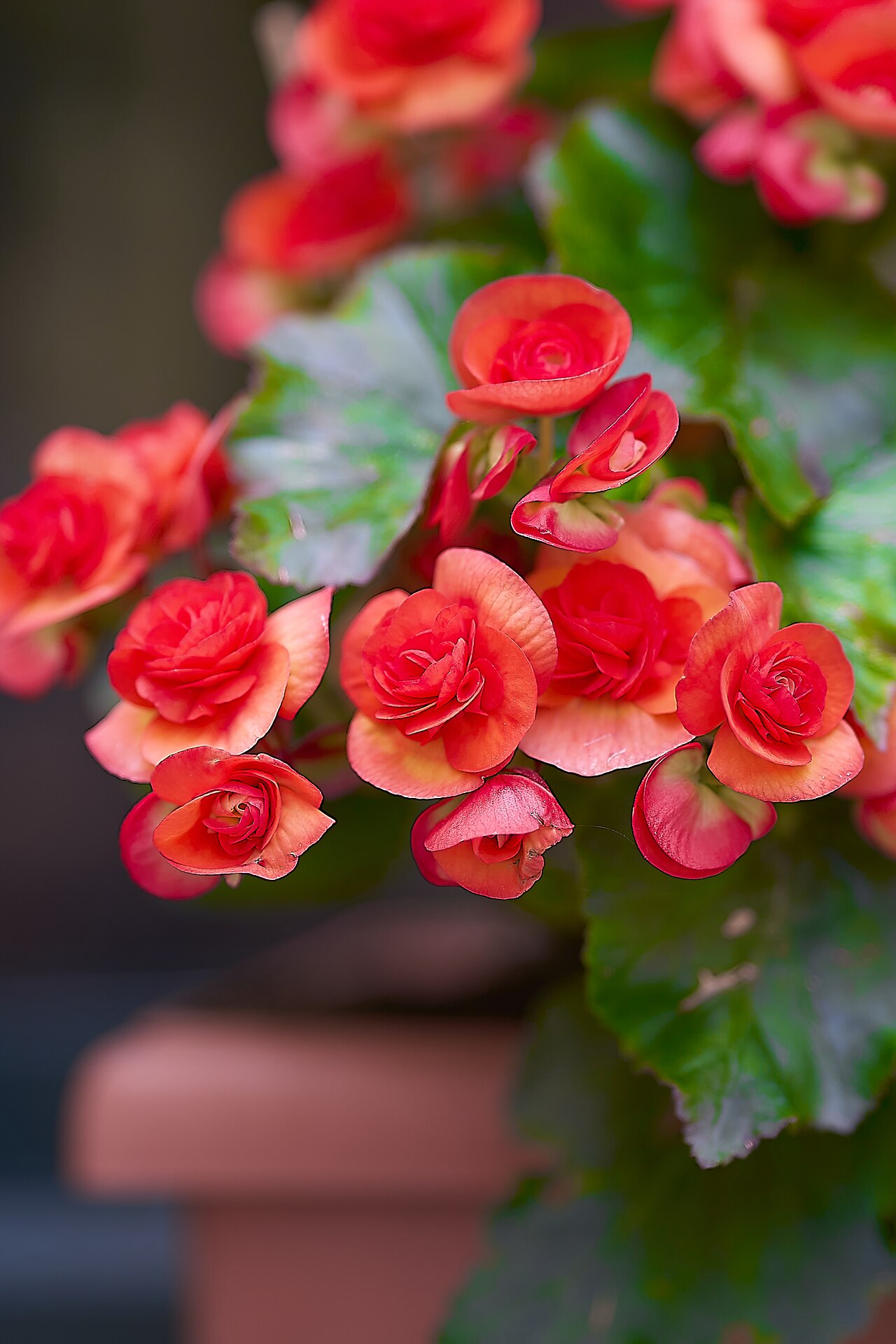
Begonias are popular ornamental plants known for their diverse foliage and vibrant flowers. They contain soluble calcium oxalates which can cause irritation if ingested by pets.

cat

Potentially toxic

Consulted references classify the plant as toxic or irritating for that pet type.

Watch for

Excessive drooling, vomiting, difficulty swallowing, and oral irritation.

dog

Potentially toxic

Consulted references classify the plant as toxic or irritating for that pet type.

Watch for

Drooling, vomiting, decreased appetite, and irritation of the mouth, tongue, and lips.
Mapleleaf Begonia

Begonia cleopatra

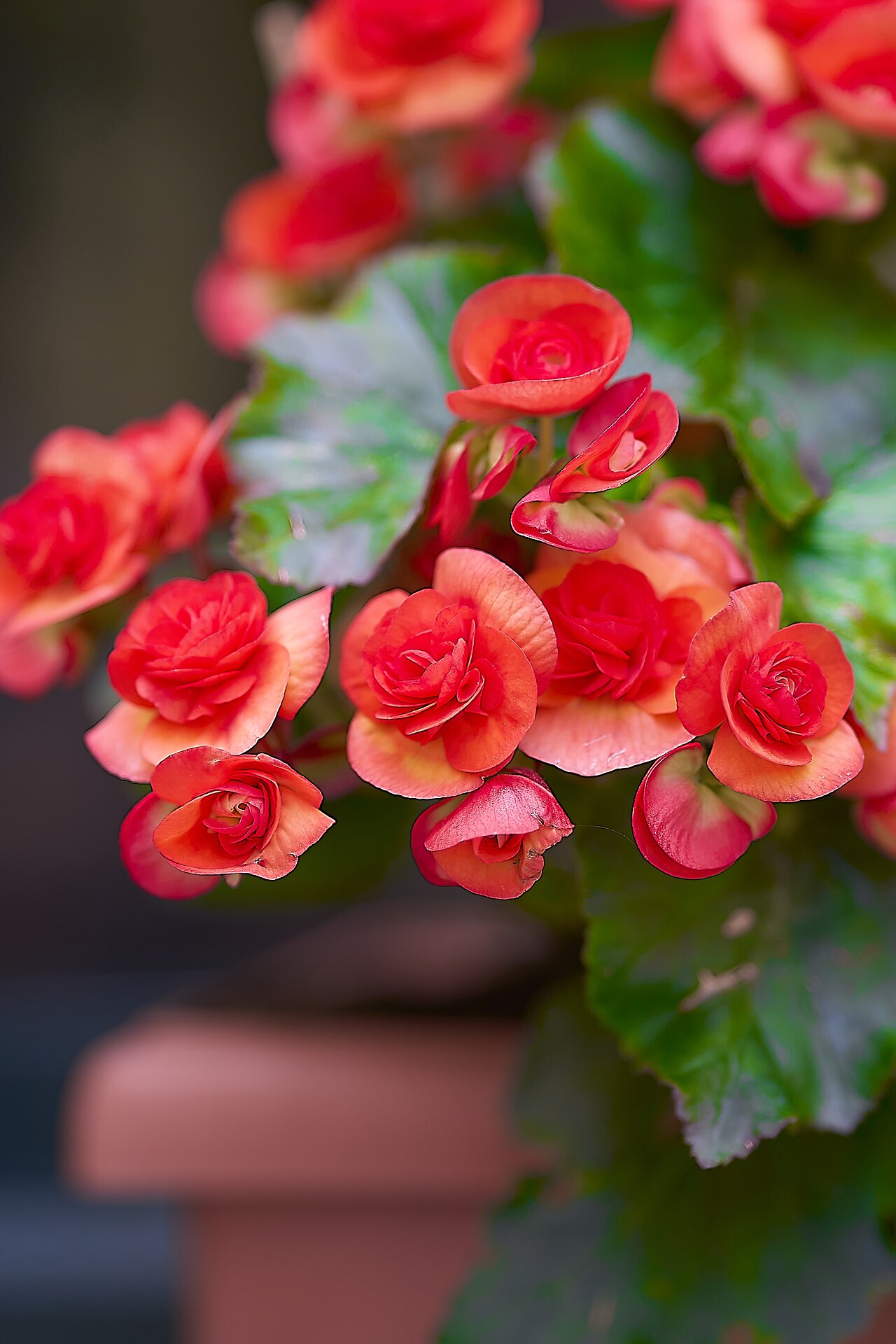
Begonia cleopatra is a popular ornamental houseplant known for its striking, maple-shaped foliage. It contains soluble calcium oxalates that can cause irritation if ingested by pets.

cat

Potentially toxic

Consulted references classify the plant as toxic or irritating for that pet type.

Watch for

Oral irritation, excessive drooling, difficulty swallowing, and vomiting.

dog

Potentially toxic

Consulted references classify the plant as toxic or irritating for that pet type.

Watch for

Intense burning and irritation of the mouth, tongue, and lips, excessive drooling, and vomiting.

Safer alternatives

Some links earn us a small commission. They never affect our safety classifications.