Compare

Giant Dracaena vs. Baby Doll Ti Plant: which is safe for cats and dogs?

Giant Dracaena and Baby Doll Ti Plant are frequently compared because they both belong to the Cordyline genus, leading many pet owners to wonder if their shared botanical lineage implies a similar level of risk. Both of these popular ornamental plants are considered potentially toxic to cats and dogs. They contain saponins, which can cause significant gastrointestinal distress if ingested by your pets. While the specific reactions can vary between individual animals, you should treat both plants with caution in your home. It is important to keep these plants out of reach to prevent accidental ingestion and the resulting discomfort for your furry companions.

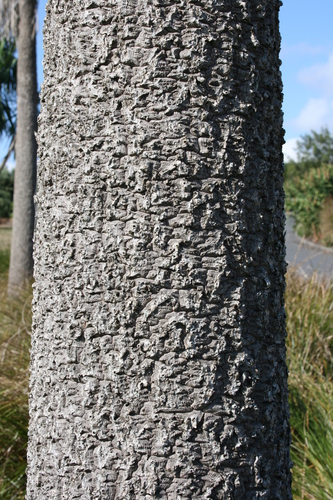
Giant Dracaena

Cordyline australis

Cordyline australis is a popular ornamental plant known for its palm-like appearance and sword-shaped leaves. It contains saponins which can cause gastrointestinal distress if ingested by pets.

cat

Potentially toxic

Consulted references classify the plant as toxic or irritating for that pet type.

Watch for

Vomiting (occasionally with blood), depression, anorexia, hypersalivation, and dilated pupils.

dog

Potentially toxic

Consulted references classify the plant as toxic or irritating for that pet type.

Watch for

Vomiting, loss of appetite, lethargy, and excessive drooling.
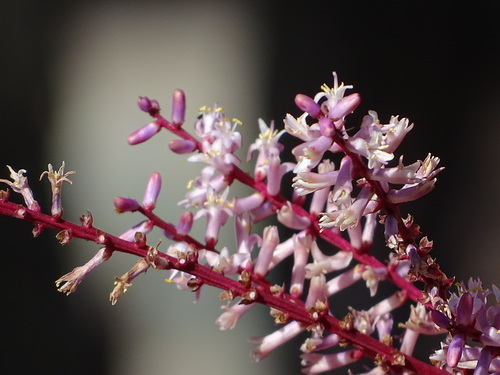
Baby Doll Ti Plant

Cordyline terminalis

The Baby Doll Ti Plant is a popular tropical ornamental known for its vibrant, colorful foliage. It contains saponins which can cause gastrointestinal distress if ingested by pets.

cat

Potentially toxic

Consulted references classify the plant as toxic or irritating for that pet type.

Watch for

Vomiting, diarrhea, excessive drooling, and loss of appetite.

dog

Potentially toxic

Consulted references classify the plant as toxic or irritating for that pet type.

Watch for

Vomiting, diarrhea, lethargy, and potential drooling.