Compare

Sago Palm vs. Areca Palm: which is safe for cats and dogs?

Sago Palm and Areca Palm are frequently grouped together because they both fall under the popular palm category, leading many shoppers to confuse them when selecting greenery for their homes. It is vital to distinguish between these two because their safety profiles for pets are drastically different. While the Areca Palm is considered non-toxic and safe for both cats and dogs, the Sago Palm, which is technically a cycad, is extremely dangerous and potentially fatal if ingested. Understanding this distinction is essential for any pet owner, as the Sago Palm poses a severe medical emergency, whereas the Areca Palm is a much safer choice for your living space.

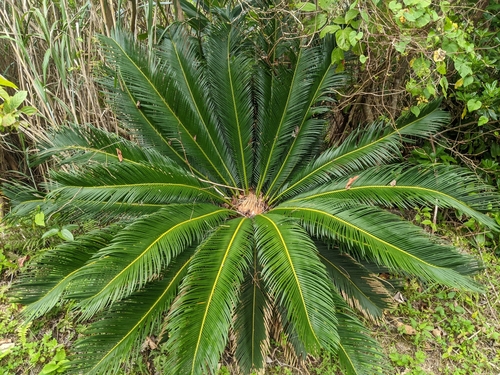
Sago Palm

Cycas revoluta

The Sago Palm is a popular ornamental cycad that is highly toxic to pets if ingested. All parts of the plant, especially the seeds, contain cycasin, which can cause severe health complications.

cat

Potentially toxic

Consulted references classify the plant as toxic or irritating for that pet type.

Watch for

Vomiting, diarrhea, lethargy, jaundice, and potential liver failure.

dog

Potentially toxic

Consulted references classify the plant as toxic or irritating for that pet type.

Watch for

Vomiting, bloody stools, jaundice, increased thirst, bruising, and liver damage.
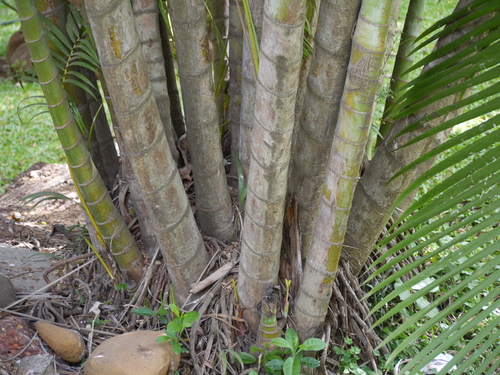
Areca Palm

Dypsis lutescens

The Areca Palm is a popular indoor palm known for its feathery, arching fronds and air-purifying qualities. It is considered safe for households with pets, though its fibrous nature may cause minor digestive discomfort if ingested in large quantities.

cat

Generally safe

Consulted references do not classify the plant as toxic for that pet type, while still allowing for mild GI upset if large amounts are chewed.

Watch for

None typically expected; however, consumption of large amounts of fibrous plant material may cause mild vomiting or diarrhea.

dog

Generally safe

Consulted references do not classify the plant as toxic for that pet type, while still allowing for mild GI upset if large amounts are chewed.

Watch for

None typically expected; however, consumption of large amounts of fibrous plant material may cause mild vomiting or diarrhea.