Compare

Ponytail Palm vs. Areca Palm: which is safe for cats and dogs?

The Ponytail Palm and the Areca Palm are frequently compared because they both belong to the popular palm ambiguity group, leading many shoppers to mistake one for the other despite their distinct botanical origins. When it comes to pet safety, the Areca Palm is widely considered non-toxic for both cats and dogs. In contrast, the status of the Ponytail Palm is more nuanced; while it is generally safe for dogs, its impact on cats remains uncertain due to a lack of documented toxic syndromes. While neither plant is inherently poisonous, the fibrous nature of their foliage can cause minor gastrointestinal irritation if your pet consumes large quantities.

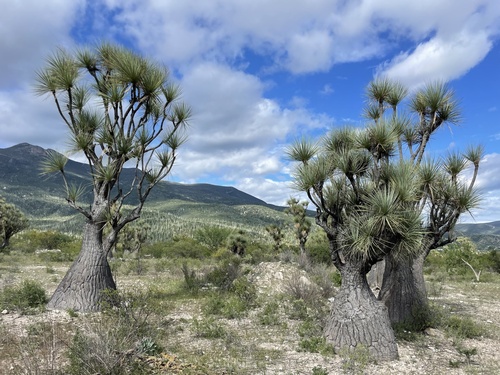
Ponytail Palm

Beaucarnea recurvata

The Bottle Palm is a popular, slow-growing succulent known for its swollen, water-storing trunk and long, arching, grass-like leaves. Despite its common name, it is a member of the Asparagaceae family and is not a true palm.

cat

Uncertain

Identity or evidence quality is not strong enough for a firm answer.

Watch for

No specific toxic syndrome documented, though ingestion of fibrous foliage may cause mechanical irritation.

dog

Generally safe

Consulted references do not classify the plant as toxic for that pet type, while still allowing for mild GI upset if large amounts are chewed.

Watch for

Generally asymptomatic; however, ingestion of large amounts of tough, fibrous leaves may cause mild vomiting or indigestion.
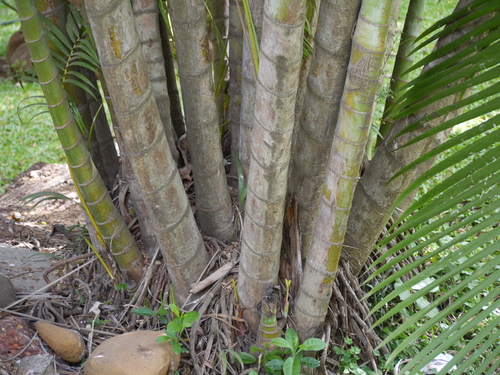
Areca Palm

Dypsis lutescens

The Areca Palm is a popular indoor palm known for its feathery, arching fronds and air-purifying qualities. It is considered safe for households with pets, though its fibrous nature may cause minor digestive discomfort if ingested in large quantities.

cat

Generally safe

Consulted references do not classify the plant as toxic for that pet type, while still allowing for mild GI upset if large amounts are chewed.

Watch for

None typically expected; however, consumption of large amounts of fibrous plant material may cause mild vomiting or diarrhea.

dog

Generally safe

Consulted references do not classify the plant as toxic for that pet type, while still allowing for mild GI upset if large amounts are chewed.

Watch for

None typically expected; however, consumption of large amounts of fibrous plant material may cause mild vomiting or diarrhea.