Compare

Pacific Yew vs. American Yew: which is safe for cats and dogs?

Pacific Yew and American Yew are frequently compared because both belong to the Taxus genus and share similar needle-like foliage and toxic profiles. It is critical for pet owners to understand that both plants are highly poisonous to cats and dogs. Every part of these evergreens, particularly the needles and seeds, contains dangerous taxine alkaloids that can lead to rapid, life-threatening systemic distress. Because ingestion of either plant is considered a medical emergency with the potential for fatal cardiac collapse, neither Pacific Yew nor American Yew should be kept in a home with pets. If you suspect your animal has consumed any portion of either plant, contact a veterinarian immediately.

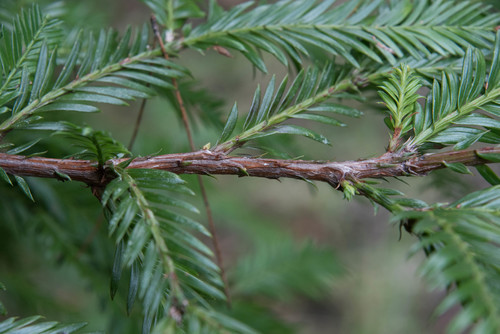
Pacific Yew

Taxus brevifolia

The Pacific Yew is an evergreen conifer containing taxine alkaloids that are highly poisonous to most animals. Ingestion of any part of the plant, especially the needles and seeds, can lead to severe systemic distress.

cat

Potentially toxic

Consulted references classify the plant as toxic or irritating for that pet type.

Watch for

Tremors, difficulty breathing, drooling, vomiting, and potential cardiac collapse.

dog

Potentially toxic

Consulted references classify the plant as toxic or irritating for that pet type.

Watch for

Muscle weakness, dilated pupils, collapse, irregular heartbeat, and gastrointestinal distress.
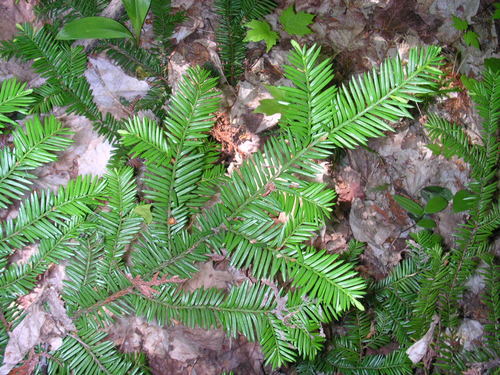
American Yew

Taxus canadensis

American Yew is a low-growing evergreen shrub containing taxine alkaloids that are highly poisonous to most mammals. Ingestion of any part of the plant, especially the needles and seeds, can cause severe systemic reactions.

cat

Potentially toxic

Consulted references classify the plant as toxic or irritating for that pet type.

Watch for

Tremors, difficulty breathing, vomiting, diarrhea, and potential cardiac arrhythmias.

dog

Potentially toxic

Consulted references classify the plant as toxic or irritating for that pet type.

Watch for

Drooling, vomiting, muscle weakness, dilated pupils, and sudden collapse due to heart failure.