Compare

Ambrosia Mexicana vs. Epazote: which is safe for cats and dogs?

Ambrosia Mexicana and Epazote are frequently compared because both belong to the Chenopodium genus, leading many pet owners to wonder if their shared botanical lineage implies similar risks. Both of these aromatic herbs are considered potentially toxic to cats and dogs. While both plants can cause gastrointestinal distress, Epazote is generally considered more concerning due to the presence of essential oils that may trigger systemic or neurological effects in addition to stomach upset. Because both plants pose clear risks to your pets, it is best to keep both varieties well out of reach of curious animals to prevent accidental ingestion and subsequent health complications.

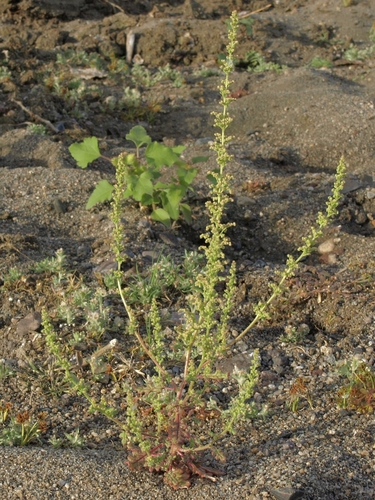
Ambrosia Mexicana

Chenopodium botrys

Chenopodium botrys is an aromatic annual herb often grown for its unique scent and foliage. It contains compounds that can cause gastrointestinal distress if ingested by pets.

cat

Potentially toxic

Consulted references classify the plant as toxic or irritating for that pet type.

Watch for

Drooling, vomiting, diarrhea, and abdominal discomfort.

dog

Potentially toxic

Consulted references classify the plant as toxic or irritating for that pet type.

Watch for

Vomiting, lethargy, loss of appetite, and gastrointestinal irritation.
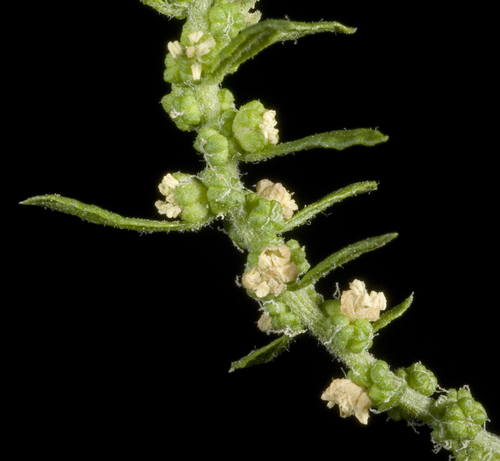
Epazote

Chenopodium ambrosioides

Epazote is an aromatic herb often used in culinary applications, but it contains essential oils that can be harmful to pets if ingested in significant quantities. It is best kept out of reach of curious cats and dogs.

cat

Potentially toxic

Consulted references classify the plant as toxic or irritating for that pet type.

Watch for

Vomiting, diarrhea, lethargy, and potential neurological signs such as tremors or incoordination.

dog

Potentially toxic

Consulted references classify the plant as toxic or irritating for that pet type.

Watch for

Drooling, vomiting, abdominal pain, and potential central nervous system depression.