Compare

Banana Squash vs. Acorn Squash: which is safe for cats and dogs?

Banana Squash and Acorn Squash are frequently compared because both belong to the Cucurbita genus, leading many pet owners to wonder if these common culinary staples share the same safety profile for cats and dogs. Fortunately, both Banana Squash and Acorn Squash are considered non-toxic and safe to have in a home with pets. While neither plant contains harmful compounds that pose a serious threat to your animals, consuming large quantities of raw, fibrous plant material can occasionally lead to minor digestive upset. The following sections provide specific details on what to watch for if your pet happens to snack on these garden favorites.

Banana Squash

Cucurbita maxima var. banana

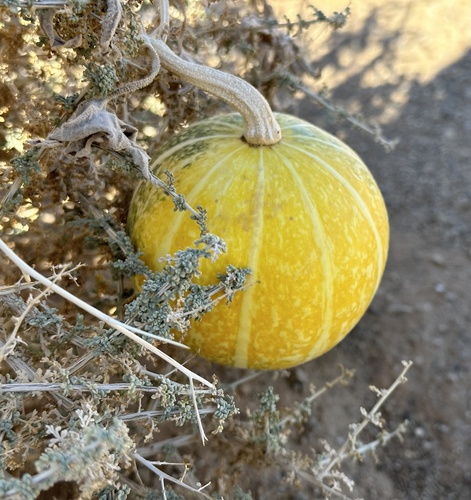
Banana squash is a large, edible winter squash variety known for its elongated shape and sweet, dense flesh. It is considered safe for household pets, though large ingestions of raw plant material may cause minor digestive discomfort.

cat

Generally safe

Consulted references do not classify the plant as toxic for that pet type, while still allowing for mild GI upset if large amounts are chewed.

Watch for

None expected; however, consumption of large amounts of fibrous raw material may result in mild vomiting or diarrhea.
dog

Generally safe

Consulted references do not classify the plant as toxic for that pet type, while still allowing for mild GI upset if large amounts are chewed.

Watch for

None expected; however, consumption of large amounts of fibrous raw material may result in mild vomiting or diarrhea.

Acorn Squash

Cucurbita pepo

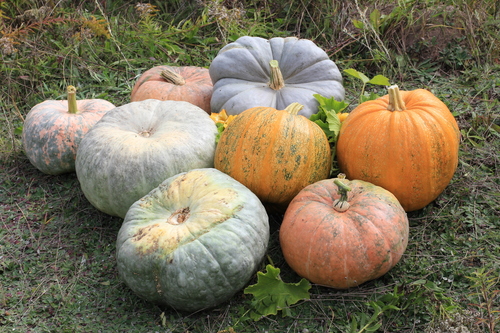
Acorn squash is a popular edible winter squash known for its ribbed, dark green skin and sweet, yellow-orange flesh. It is widely cultivated for culinary use and is considered safe for household pets.

cat

Generally safe

Consulted references do not classify the plant as toxic for that pet type, while still allowing for mild GI upset if large amounts are chewed.

Watch for

None typical; however, ingestion of large amounts of fibrous plant material may cause mild gastrointestinal upset such as vomiting or diarrhea.

dog

Generally safe

Consulted references do not classify the plant as toxic for that pet type, while still allowing for mild GI upset if large amounts are chewed.

Watch for

None typical; however, ingestion of large amounts of fibrous plant material may cause mild gastrointestinal upset such as vomiting or diarrhea.