ZZ Plant — The Oxalate Question, Honestly Answered
The ZZ plant has been called everything from carcinogenic to so-toxic-you-need-gloves-to-touch-it. None of that is true. What is true — it's an aroid, it contains calcium oxalate, and it belongs in the same conversation as peace lily and dieffenbachia, not in a hazmat bag.
April 28, 20269 min read
The ZZ plant has the strangest reputation in the houseplant world. Half the internet calls it the perfect beginner plant — drought-proof, dim-corner-proof, neglect-proof, glossy and architectural and almost impossible to kill. The other half says it's a carcinogen, that handling it without gloves can poison you, that the sap can blind you, that owning one with pets in the house is reckless. Both stories are wrong. The truth is duller than either one, and it's worth getting right, because the ZZ plant is in millions of homes and the question — how worried should I actually be? — keeps getting answered in extremes.
The honest answer fits in one sentence: ZZ plant is an aroid, it contains calcium oxalate crystals, and the toxicity story is roughly the same as peace lily — uncomfortable for pets, painful if chewed, almost never fatal. Now the longer version.
Where the rumors came from
Three things compounded into the modern ZZ plant panic, and none of them survives a close reading.
The "carcinogen" claim traces back to a 2010 misreading of a 1989 NASA Clean Air Study. The original study was about plants removing volatile organic compounds from indoor air — a generally favourable result for houseplants. A blog post somewhere read the abstract sideways and concluded that ZZ plant produces carcinogens. It does not. No subsequent study has shown ZZ plant emitting carcinogenic compounds, and the original NASA paper did not say it did. The claim has been debunked repeatedly, including by the University of Vermont Extension, but it survives in plant-care blogs the way urban legends always do.
The "wear gloves to repot it" advice is a partial truth blown out of proportion. ZZ plant sap, like the sap of every aroid — peace lily, philodendron, dieffenbachia, monstera, anthurium — can cause skin irritation in some people. The mechanism is mechanical: the same microscopic calcium oxalate needles that make pets drool can, in sensitive skin, cause itching or a mild rash. Some people get a reaction. Most don't. Nothing about ZZ sap is uniquely dangerous; the warning is the same one you'd give for repotting a peace lily, and most people repot peace lilies bare-handed without consequence. Gloves are reasonable. A respirator and goggles are not.
The "deadly to pets" claim is the one closest to a real concern, but it is still overstated. Calcium oxalate is the same family of toxins found in roughly forty common houseplants, and the symptom picture is well-characterized: oral irritation, drooling, foaming, sometimes vomiting. Severe outcomes are rare. The myth that a single nibble is fatal is wrong. The reverse — that the plant is safe around cats — is also wrong.
The botanical truth
ZZ plant is Zamioculcas zamiifolia, a member of Araceae — the aroid family. Its closest relatives include peace lily, monstera, philodendron, dieffenbachia, anthurium, and the calla "lily." Aroids are unified by a distinctive flower (a spathe wrapping a spadix, though ZZ plant rarely flowers indoors) and, more relevantly here, by a near-universal presence of raphides: bundles of microscopic, needle-shaped calcium oxalate crystals embedded in plant tissue.
When a cat or dog bites a leaf, the tissue ruptures and the raphides discharge into soft mouth tissue. The damage is mechanical, not chemical. Oxalates are not metabolic poisons — they don't cross into the bloodstream, attack the liver, or cause systemic failure the way the truly dangerous houseplants (sago palm, true lily, oleander) do. They cause local pain, swelling, and drooling because the plant has, in effect, jabbed thousands of tiny glass shards into the inside of the animal's mouth. The animal almost always stops chewing immediately, which is why fatal outcomes are so rare.
ZZ plant is exactly this story. There is nothing exotic in its tissue chemistry, no special toxin beyond the standard aroid raphides, no carcinogen, no contact poison. It is, toxicologically, an unremarkable aroid.
The absence of a formal ASPCA entry is worth noticing. It does not mean the plant is safe; it means the ASPCA hasn't published a formal review, the same way they haven't published reviews for thousands of less-common houseplants. The veterinary toxicology consensus — drawn from published case reports and the well-understood chemistry of aroid raphides — places ZZ plant squarely in the mildly toxic, not dangerous bucket.
ZZ plant is not the easiest plant in your house to kill, but it is also not the hardest plant in your house to live with. It's an aroid. It acts like one.
What this actually means in a household with pets
The practical risk profile sits somewhere between no concern and active danger, and the position depends almost entirely on your pet's behavior.
- Cats that chew houseplants. Real concern, though not an emergency. The leaves are exactly the height and texture cats find interesting, and the oral irritation is unpleasant enough that an exposure means a bad afternoon and possibly a vet visit. Move the plant.
- Cats that ignore houseplants. Minimal concern. ZZ plant is not volatile, its sap is not airborne, and a plant on a shelf the cat doesn't visit is functionally a non-event.
- Dogs. Generally lower concern than cats — dogs are less likely to chew vertical foliage, and when they do, the bitter oxalate sting deters repeat offenses quickly. Still keep it out of reach of puppies, who chew everything.
- Children. Same broad story as pets. The plant is not a contact hazard, but a chewed leaf will hurt a toddler's mouth and may cause vomiting. Out of reach is the right call.
The contrast with the genuinely dangerous houseplants is sharp. A cat that chews a sago palm is in a different conversation from a cat that chews a ZZ plant. The first is an emergency-clinic visit measured in survival statistics. The second is a vet phone call and supportive care. Both deserve attention; only one deserves panic.
What to plant instead
If the ZZ plant's appeal is low-light, drought-tolerant, glossy, sculptural, basically immortal, three pet-safe alternatives cover most of the same ground without the oxalate footnote.
The peperomia is the visual swap most people end up making. It looks closer to a small ZZ plant than anything else on the safe list — same dark glossy palette, same upright posture, same "I forgot about this for a month and it's fine" tolerance. The ponytail palm is the mechanism swap: it actually replicates the rhizome-stored-water trick that lets a ZZ plant survive being ignored, which is most of the appeal in the first place.
If you already own one
A ZZ plant is not a sago palm, and the household-management story is closer to a peace lily than to anything genuinely dangerous. The realistic options:
- If the plant is in a spot the pet can reach, move it. Tall stands and high shelves work; the plant is upright but not heavy, and tolerates being relocated.
- If you'd rather replace it, pick from the alternatives above. ZZ plants propagate easily from leaf cuttings — divide, root in water, and send the divisions to friends in homes without curious mouths.
- If a pet has chewed a leaf, expect immediate drooling, pawing at the mouth, and possibly vomiting. The animal will almost always stop on its own — calcium oxalate stings hard, and the lesson is fast. Rinse the mouth with cool water if you can, offer something soft and bland to eat, and call a vet. Most cases resolve with supportive care.
What you don't need to do: throw out the plant, repot it in a hazmat suit, or panic if you got sap on your hands. ZZ plant is not a special case. It's an aroid behaving like every aroid behaves, and the rumor mill has done it a disservice in both directions — talking it up as bulletproof for years, then talking it up as deadly for years, neither of which it is.
The honest verdict
ZZ plant is mildly toxic to pets. So is peace lily, philodendron, monstera, dieffenbachia, anthurium, and pothos. They are all aroids, they all contain the same family of calcium oxalate raphides, and the household risk-management plan for any of them is the same: keep them out of reach of mouths that will chew them. None of them is a sago palm. None of them is a true lily. The ZZ plant deserves neither its bulletproof legend nor its hazmat reputation. It is a glossy, drought-tolerant aroid in a pot, and the cat would prefer you bought a peperomia.
Looking for more pet-safe houseplants beyond the ZZ plant niche? Our curated lists of plants safe for cats and plants safe for dogs are organized by light and care level, so you can find something that actually fits your home.
Plants from this article
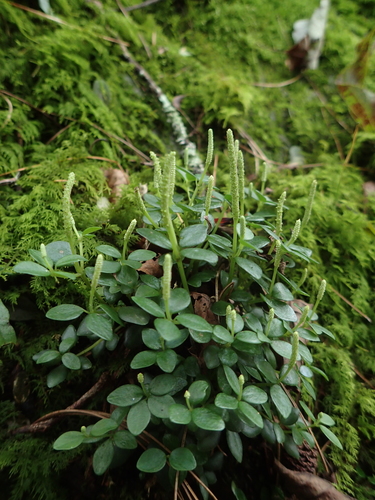
The American Rubber Plant is a popular, low-maintenance houseplant known for its thick, succulent-like leaves. It is considered non-toxic to pets, though ingestion of large amounts of plant material may cause minor digestive discomfort.
Generally safe for cats & dogs.
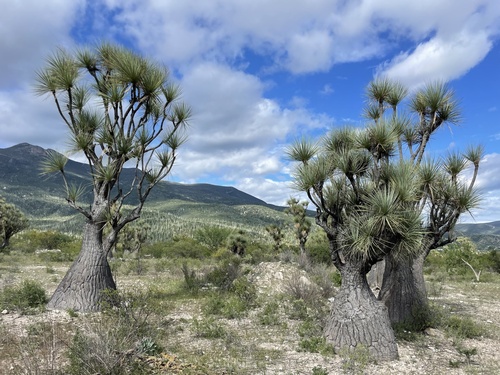
The Bottle Palm is a popular, slow-growing succulent known for its swollen, water-storing trunk and long, arching, grass-like leaves. Despite its common name, it is a member of the Asparagaceae family and is not a true palm.
Uncertain for cats.
Generally safe for dogs.
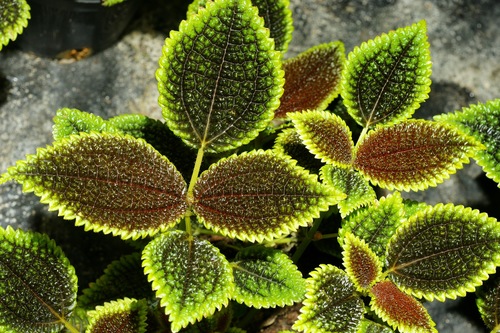
The Aluminum Plant is a popular indoor foliage plant known for its striking silver-patterned leaves and compact growth habit. It is considered safe for households with pets, though large ingestions of plant material may occasionally cause minor digestive discomfort.
Generally safe for cats & dogs.