Air Plants Are Safe — But Are They Actually Air Plants?
Tillandsia is one of the rare houseplant genera that earns a clean pet-safe rating across the board. The name, on the other hand, is a small lie — these plants don't live on air, and the misnomer is killing them in homes everywhere. Here's what air plants actually need, and how to keep them alive.
April 28, 20268 min read
The small grey-green rosette sits inside a glass orb on a bookshelf, attached to nothing, fed by nothing visible, alive by what appears to be magic. The tag at the gift shop calls it an air plant. The promise is right there in the name — water-free, soil-free, basically a houseplant-shaped piece of decor that happens to be alive. Six weeks later it is brown and crispy and the owner is on Reddit asking what went wrong.
What went wrong is the name. Air plants are extraordinary, but they are not living on air. They are epiphytes — plants that grow attached to other surfaces in the wild, drinking water and absorbing nutrients through specialized scales on their leaves — and the surface they're attached to in your living room is glass, which provides exactly nothing. The good news is that they are one of the few houseplants we cover that gets a clean pet-safe rating, no caveats, no oxalates, no "uncertain" footnote. The bad news is that the name is killing them, and the fix is the same fix every misnamed plant needs: stop believing the label.
The botanical truth
Air plants are Tillandsia, a genus of roughly 650 species in the family Bromeliaceae — the same family as the pineapple. If you've ever noticed that the silvery whorl of leaves on top of a supermarket pineapple looks suspiciously like the plant on your bookshelf, your eye is correct. They are close cousins. The pineapple is a terrestrial bromeliad with a fruiting body; the air plant is an epiphytic bromeliad that skipped the soil step.
The trick that makes air plants seem to live on air is microscopic. Their leaves are covered in trichomes — tiny scale-shaped structures that flatten in dry air and lift in humid air, drawing in moisture and nutrients from passing fog, rain, and dust. Trichomes are why most air plants look silvery or fuzzy: the scales scatter light. They are also why air plants don't have functional roots in the soil-feeding sense. The roots they do have are anchors, not feeders — the leaves do the eating.
In their native ranges — Central and South America, the southeastern United States, the Caribbean — air plants live attached to tree branches, cliffs, telephone wires, and the occasional cactus. They get rained on, blown around in humid air, and dried out by the sun, repeatedly, for their entire lives. The closed glass orb on the bookshelf gives them precisely none of this. It's a beautiful coffin.
This is unusual, and worth pausing on. Most "low-toxicity" houseplants come with a footnote — probably fine but mildly toxic in quantity, non-toxic per ASPCA but may cause stomach upset, generally safe but sap can irritate skin. Air plants don't have that footnote. They are decorative, they are easy to keep out of mouths because they sit in things rather than being potted in soil, and they are, structurally, almost incapable of causing a vet visit. If a household with a leaf-chewing cat wants something living on the shelf, this is one of the few plants we'd recommend without hedging.
The pet-safety question on air plants is the question with the shortest answer in this entire series. Yes. The name is the part that needs work.
Why the name kills them
The "air plant" branding has done more damage to Tillandsia care than any pest or disease. Three myths flow directly from the name, and all three end with a brown plant on a shelf.
Myth 1: They don't need water. They need a lot of water. The standard care protocol — soaking in room-temperature water for 20 to 30 minutes once a week, then turning them upside down to dry — is the bare minimum, not an indulgence. In a dry indoor environment, missing this once a week is the difference between a plant that thrives for years and one that crisps out in a season. Misting helps between soaks but does not replace them.
Myth 2: They don't need soil so they don't need anything. Soil is one input. The others are water, light, and air circulation, and air plants need plenty of all three. They are not photosynthetic ornaments; they are full plants doing full plant work, and the work requires bright indirect light — much more than the dim corner where most decorative orbs end up.
Myth 3: They thrive in closed glass containers. This one is exactly backwards. Closed terrariums trap stagnant moisture against the leaves, which causes rot at the base of the rosette — the most common way air plants die. The glass orb aesthetic is fine if the orb is open, ventilated, and the plant comes out for its weekly soak. A sealed snow-globe is a death sentence.
The species you've probably encountered:
- Tillandsia ionantha — the small, common, finger-sized rosette that turns red when it's about to flower. Cheap, abundant, the gateway air plant.
- Tillandsia xerographica — the big silvery one with the wide curling leaves. Slow-growing, drought-tolerant, the most architectural of the genus.
- Tillandsia usneoides — Spanish moss, draping in long greyish strands from trees in the American South. Also an air plant, also a Tillandsia, also pet-safe, despite looking like a different category of organism entirely.
If you've ever seen Spanish moss on an oak tree in Louisiana and a tiny silvery rosette in a glass orb on a coffee table and assumed they were unrelated, you are in good company. They are the same genus.
What to pair them with
Air plants are usually display objects rather than centerpieces, and the question we get isn't "what should I plant instead" but "what else can I put next to one without worrying about the cat?" Three pet-safe companions cover the most common pairings.
The neoregelia is the closest botanical match — the same family, the same rosette structure, the same broad pet-safe rating — but it lives in a pot, which makes it harder for an air plant person to slot in. The ball fern is the conceptual match: another epiphyte, mounted rather than potted, with the same "this thing isn't growing in soil" novelty that drew you to Tillandsia in the first place.
How to actually keep one alive
The short version, in case you're holding one right now and the leaves are starting to curl inward:
- Soak weekly. Submerge the entire plant in room-temperature tap water for 20 to 30 minutes. Shake gently and turn upside down on a towel until the base is fully dry — leaving water trapped in the rosette is what causes rot.
- Bright indirect light. Within a few feet of a window with good daylight, never in direct hot sun. A dim shelf will starve it slowly.
- Air circulation. Open displays, never sealed glass. If the plant is in an orb, take it out for soaks and don't put it back until it's bone-dry.
- Skip the fertilizer at first. Once a month with a bromeliad-specific or heavily diluted general fertilizer is plenty. Most air plants in homes are killed by neglect, not deficiency.
A healthy Tillandsia will live for years and eventually flower — once. After flowering, the parent plant slowly declines and produces small offsets ("pups") at its base, which detach and become the next generation. This is normal. A plant that flowered six months ago and is now starting to look tired is not dying from your care; it's doing what air plants do.
The bottom line
Air plants pass the pet-safety test more cleanly than almost any houseplant we cover. They contain no oxalates, no saponins, no surprises. They are also one of the most-killed houseplants in America, because their name implies a relationship with water that doesn't exist. The fix is not complicated — soak weekly, give them light, give them air — and once you stop treating them like decorative objects with a heartbeat, they reward the correction with years of life and an eventual genuinely strange-looking flower.
Yes, they're safe. No, they don't live on air. Both halves of that sentence matter, and the gift shop is only telling you one of them.
Looking for more pet-safe houseplants beyond the air-plant niche? Our curated lists of plants safe for cats and plants safe for dogs are organized by light and care level, so you can find something that actually fits your home.
Plants from this article
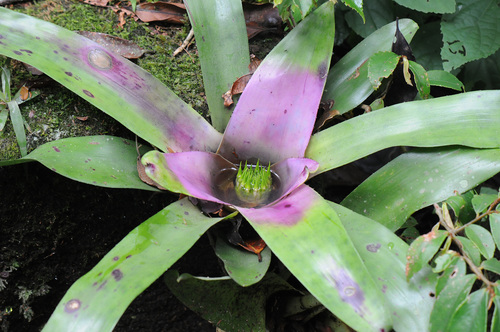
Neoregelia are popular bromeliads known for their vibrant, colorful foliage and water-holding central cups. They are generally considered safe for households with pets, though their fibrous leaves may cause minor digestive irritation if consumed in large quantities.
Generally safe for cats & dogs.
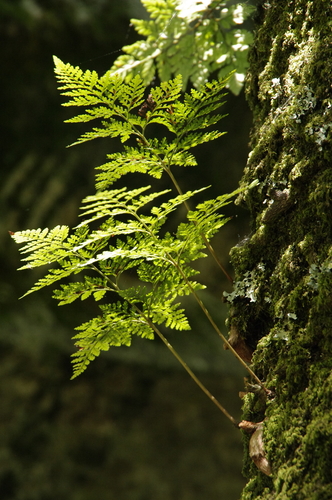
Ball ferns are popular, non-toxic houseplants known for their fuzzy, creeping rhizomes that resemble rabbit feet. They are generally safe for households with pets, though large ingestions of fibrous plant material may cause minor digestive discomfort.
Generally safe for cats & dogs.
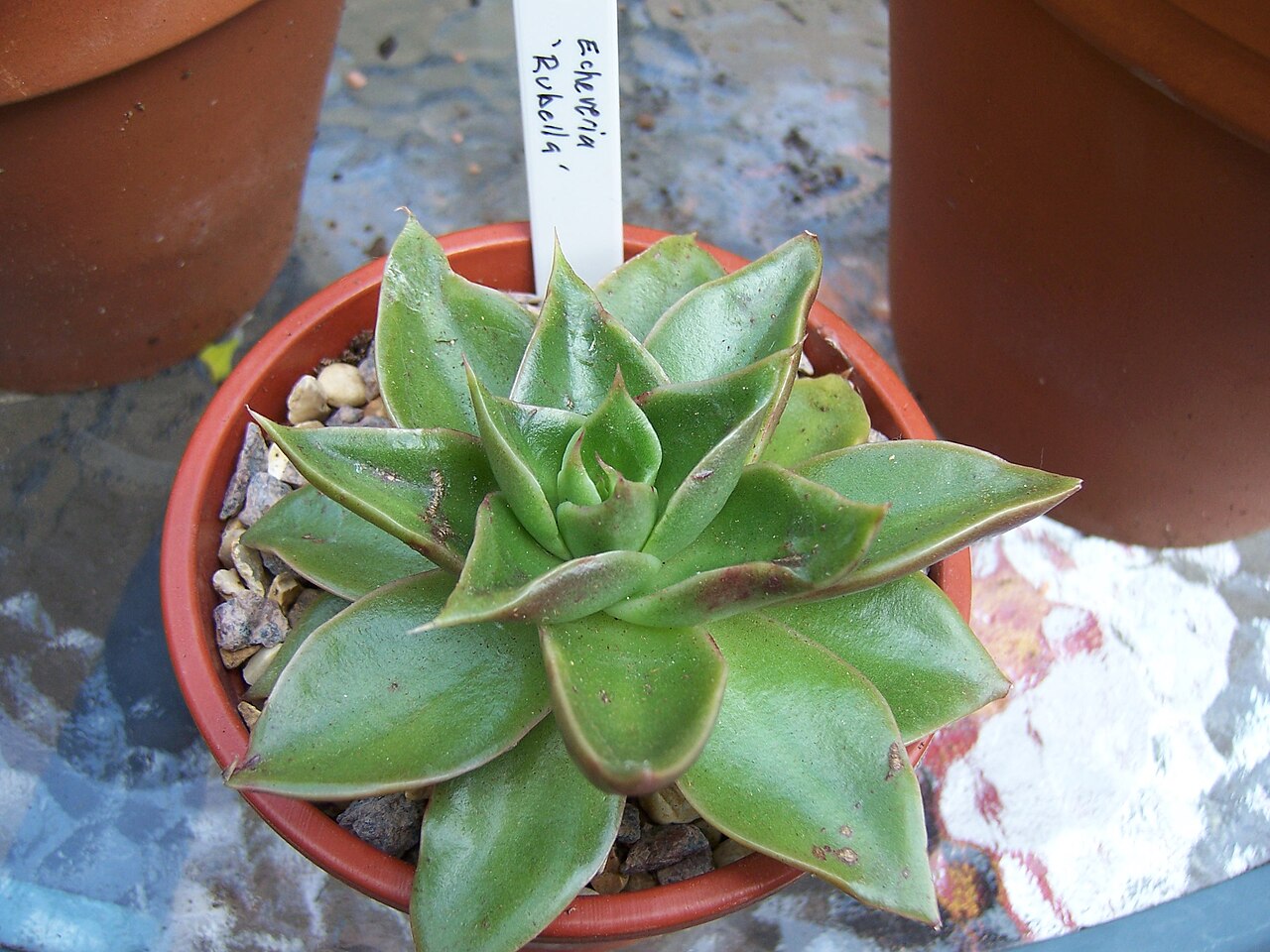
Echeveria glauca is a popular succulent known for its rosette-forming, powdery blue-green leaves. It is widely considered safe for households with pets, though its fibrous texture may cause minor digestive discomfort if consumed in large quantities.
Generally safe for cats & dogs.